

AI Could Wipe Out Entry-Level Jobs, And That Should Terrify Business Leaders
4 June 2026
How will young people start their careers in a world where AI can already do much of the work traditionally given to junior employees?
It is one of the biggest questions facing the future of work. We know AI will reshape jobs, but it is still hard to predict exactly how any particular role, team or business will be affected in the short term, let alone over the next decade.
What does seem clear is that entry-level jobs are likely to feel the impact first. These roles often involve the very tasks AI is getting good at, such as drafting, research, analysis, coding support, basic reporting and routine customer queries.
But everyone has to start somewhere. So, what happens if graduate schemes, trainee positions and junior roles are cut back across industries exposed to AI? Where will the next generation of experienced professionals learn the judgment, communication skills and business context they need? And how will companies build future leaders if they weaken the talent pipeline at the very start?
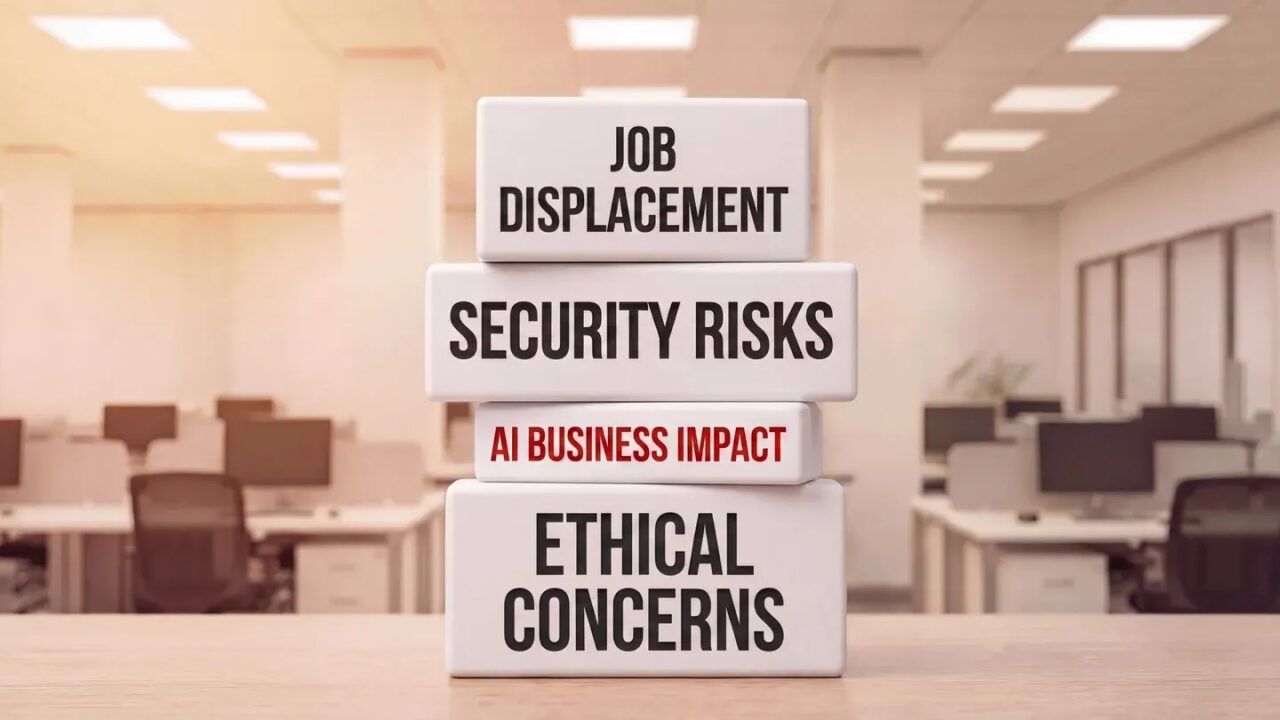
This is a critical issue because entry-level work is about much more than low-value admin. It is where people learn how business works, how decisions are made and how expertise is built. The way organizations rethink these roles today will help decide who gets a career tomorrow, and which companies have the skills to thrive in an AI-driven economy.
So in this article, I’ll look at how AI could affect entry-level jobs, why this creates a serious business risk and what companies can do to prepare.
Why Are Entry-Level Jobs At Risk
Starting out on the bottom rung of the professional ladder sometimes means being given repetitive and possibly boring work to do. Junior lawyers might spend a lot of time reviewing contracts and case law, while entry-level software developers write templated code or debug existing work.
The problem is, this is just the type of thing AI is getting very good at. So companies viewing AI firstly as a way to drive efficiency often think about automating this type of work first. Which often is absolutely the right thing to do.
Unfortunately, though, it’s often taken as an indication that they don’t need so many entry-level workers.
This is a pattern that’s been seen setting in across markets and industries. AI is producing the first drafts and proofreading marketing content and campaigns. It’s reconciling transactions and creating reports in finance. And it’s triaging calls and resolving straightforward complaints in customer service.
At the same time, the uncertain economic outlook is forcing companies to become leaner and more efficient. And they’re also under pressure to show returns on the investments they’ve been making in AI. It’s not surprising that some see it as an opportunity to reduce headcounts. But there's a risk this could turn out to be very short-sighted.
Why Is This A Business Problem?
The problem is, entry-level work isn’t just busy work. The bottom rung of the ladder is where junior professionals accumulate the skills and experience they need to become senior professionals. Not just technical ability, but creative, social, communication and leadership skills, which are all sometimes known as “soft skills”.
Removing them from the equation cuts off the company’s pipeline to fresh new talent and thinking, as well as their supply of home-grown leaders of tomorrow.
The fact is, if there are fewer people entering at the bottom level now, there will be fewer experienced professionals in five years’ time.
Many industries are already experiencing skills shortages now, and there’s a risk that this will create a bottleneck preventing companies from maximizing AI opportunities.
With fewer junior staff, experienced senior employees will inevitably find themselves doing work they used to do, but AI isn’t quite up to scratch. Like fact-checking AI output, for example. This will take up time that they’re supposed to be spending on higher-value work, the precise opposite of what AI is supposed to do.
So companies seeing AI primarily as a way to reduce their junior headcount could be setting themselves up for a serious fall.
On the other hand, while they won’t disappear, the role and responsibilities of an entry-level staffer could change quite significantly. What might that look like?
How Will Entry-Level Jobs Change And What Does It Mean For Businesses?
Entry-level jobs won’t vanish overnight, but it’s very likely that the responsibilities of those in graduate or trainee positions will change.
The key to success for businesses will be how well this is managed.
Rather than being assigned repetitive tasks that machines can handle, new hires could take on higher-level, more strategic work that would usually be handled by their seniors.
Instead of answering one question, an entry-level analyst, researcher, or other knowledge worker could oversee a swarm of AI agents that might answer 10. Or even take on the responsibility of deciding which questions should be asked.
I often go back to the analogy of the calculator, which in the seventies some feared would lead to schoolchildren forgetting how to do pen-and-paper maths. What actually happened was that children in schools became capable of handling much more complex problems at an earlier age.
This changes what entry-level workers can expect from their jobs and what employers will look for in hires. More is likely to be asked of them, in terms of taking on tasks that involve oversight, decision-making and planning. AI literacy will be hugely valuable, but so will the soft skills we mentioned earlier.
Fundamentally, rethinking entry-level work is about identifying the “high value” work that AI frees us to do by taking on our repetitive, low-value tasks. This could be managing AI itself, or it could be stepping up and taking on more strategic, impactful tasks traditionally done by seniors.
Getting this right will play a critical role in navigating the once-in-a-generation changes sweeping across the world of work.


Related Articles

Can AI Really Blackmail Or Hack You?
If you’re one of the many people who feel scared about how powerful AI is becoming, recent events probably haven’t done[...]
Is AI Really Leveling The Playing Field, Or Making Big Tech Even More Powerful?
We often hear that AI will act to “democratize” access to many aspects of technology, from data analytics to coding. But[...]
The AI Skills Employers Actually Want In 2026
The AI jobs boom isn’t unfolding quite the way many people predicted. When ChatGPT arrived in 2022, we were told to[...]

5 Real-World Vibe Coding Success Stories That Show What AI Can Really Do
Not too long ago, building software meant either spending years learning to code or paying someone a hefty fee to do[...]
How To Design Multi-Agent Workflows That Actually Work
AI agents are increasingly being pitched as virtual workers capable of running entire business processes with minimal supervision. But there’s a[...]
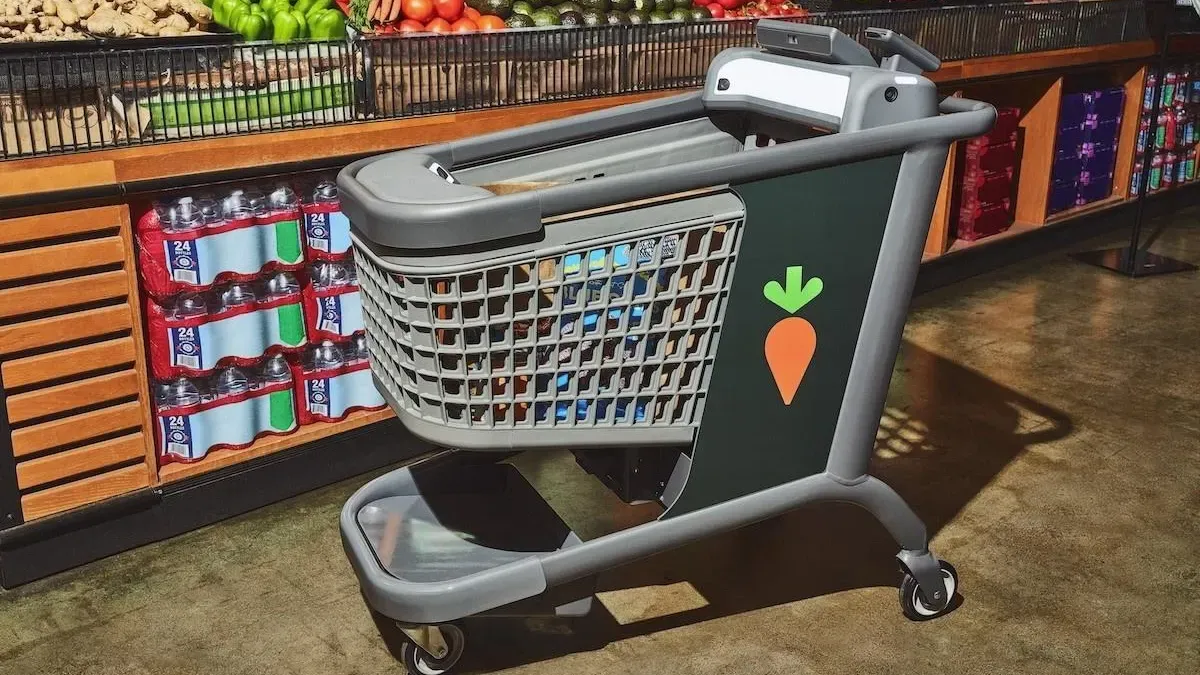
How Instacart Is Using Physical AI To Reinvent The Grocery Store
The smartest computer in your local grocery store may soon be the cart rattling toward the cereal aisle. For years, retailers[...]

Sign up to Stay in Touch!
Bernard Marr is a world-renowned futurist, influencer and thought leader in the fields of business and technology, with a passion for using technology for the good of humanity.
He is a best-selling author of over 20 books, writes a regular column for Forbes and advises and coaches many of the world’s best-known organisations.
He has a combined following of 4 million people across his social media channels and newsletters and was ranked by LinkedIn as one of the top 5 business influencers in the world.
Bernard’s latest book is ‘Generative AI in Practice’.
Social Media