
How The 2025 Presidential Election Could Transform The Future Of AI In America And Beyond
11 November 2024
The clock is ticking toward what might be the most consequential technological crossroads in American history. As voters prepare to choose between Kamala Harris and Donald Trump, they’re not just selecting a president — they’re choosing between two radically different visions for how the world’s most powerful nation will approach the AI revolution.
This stark choice comes at a pivotal moment. AI has evolved from a fascinating technological novelty into a force that’s reshaping everything from how we work to how nations compete for global supremacy. Google CEO Sundar Pichai wasn’t exaggerating when he declared AI would be “more profound than fire” — and now, America’s approach to this transformative technology hangs in the balance.
A Tale Of Two Tech Philosophies
The contrast between the candidates' positions on AI couldn't be more striking, though they do share some common ground on crucial issues. Harris, following in President Biden's footsteps, advocates for what she calls "responsible innovation" — an approach that emphasizes ethical guidelines, international cooperation, and robust privacy protections.
The Biden administration's landmark executive order from last year exemplifies this philosophy, requiring AI developers to conduct rigorous safety testing and share results with government oversight bodies. More recently, the administration has shown its pragmatic side by addressing immigration frameworks to attract global AI talent, recognizing that innovation shouldn't be sacrificed for regulation.
Trump's vision sits at the opposite end of the spectrum. His proposed deregulatory approach includes a promise to dismantle Biden's executive order, arguing that excessive oversight threatens America's competitive edge in the global AI race. This position has drawn both praise from free-market advocates and criticism from those who fear it could unleash potentially dangerous AI applications without proper safeguards.
The Trump-Musk Factor
Trump's stance on AI has gained additional attention through his alliance with Elon Musk, another prominent advocate for minimal government intervention. Musk's own AI chatbot, Grok-2, has become something of a symbol for this philosophy, operating with notably fewer restrictions than competitors like ChatGPT or Google Gemini.
Finding Common Ground On China
Despite their differences, both candidates align on one crucial aspect: maintaining restrictions on China's access to American AI technology. This rare point of agreement reflects a bipartisan recognition of both national security concerns and the importance of protecting U.S. commercial interests in the tech sector.
Stakes Couldn't Be Higher
The tech industry is watching this election with unprecedented intensity. A recent EY survey reveals that 74% of tech leaders believe the election's outcome will significantly impact their global competitiveness. With 82% of companies planning to increase their AI investments by more than 50% in the coming year, the regulatory landscape shaped by the next president will have far-reaching implications.
A Harris victory would likely strengthen international cooperation on AI governance while emphasizing ethical considerations and user protections. However, this approach raises questions about whether increased oversight might inadvertently slow innovation and advantage America's global competitors.
Conversely, a Trump win would probably usher in an era of minimal government intervention, potentially accelerating AI development but raising concerns about unintended societal consequences and ethical implications.
The Bigger Picture
The AI policy debate mirrors larger philosophical differences about the government's role in technological progress. While there may not be a clearly "right" or "wrong" approach, the implementation of these policies will likely matter more than their theoretical foundations.
As Nov. 5 approaches, voters face a choice that extends far beyond traditional political considerations. They're helping to determine how America will navigate the most transformative technology of our time — and potentially reshape the global AI landscape for years to come.
Whatever the outcome, one thing is certain: the impact of this election on AI development will reverberate far beyond America's borders, influencing how this transformative technology evolves in an increasingly interconnected world.

Related Articles

Can AI Really Blackmail Or Hack You?
If you’re one of the many people who feel scared about how powerful AI is becoming, recent events probably haven’t done[...]
Is AI Really Leveling The Playing Field, Or Making Big Tech Even More Powerful?
We often hear that AI will act to “democratize” access to many aspects of technology, from data analytics to coding. But[...]
The AI Skills Employers Actually Want In 2026
The AI jobs boom isn’t unfolding quite the way many people predicted. When ChatGPT arrived in 2022, we were told to[...]
5 Real-World Vibe Coding Success Stories That Show What AI Can Really Do
Not too long ago, building software meant either spending years learning to code or paying someone a hefty fee to do[...]
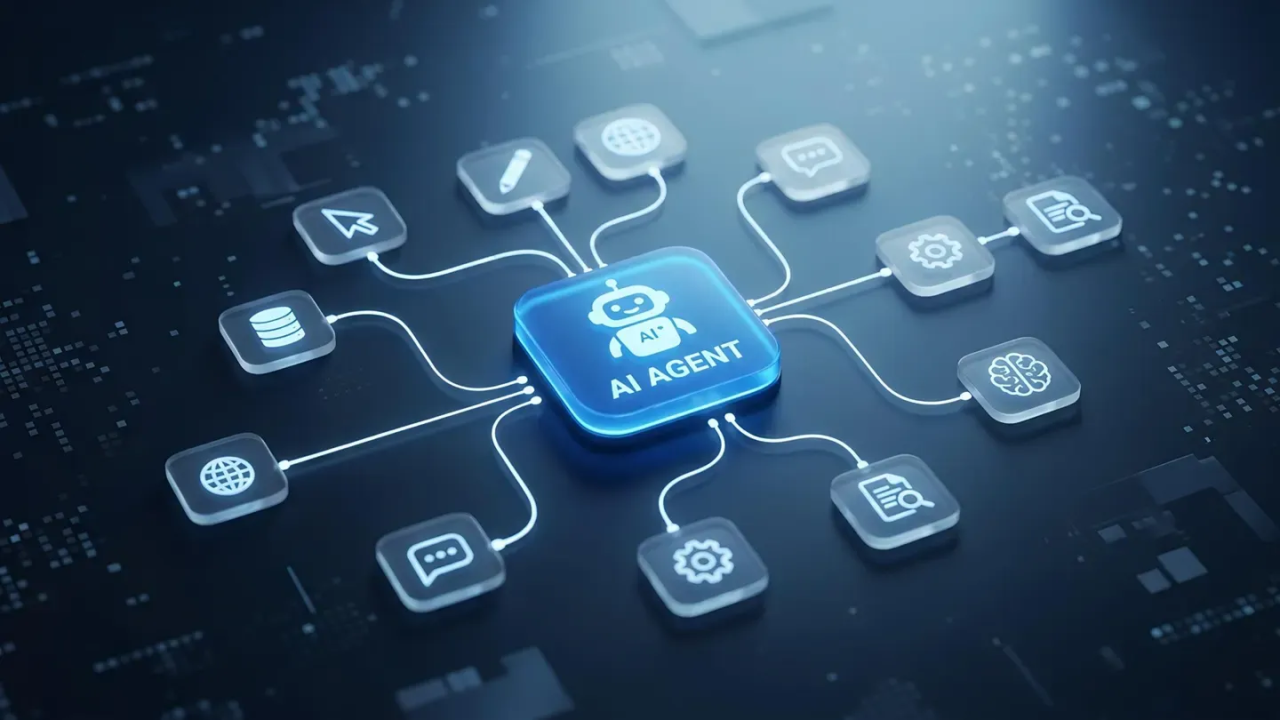
How To Design Multi-Agent Workflows That Actually Work
AI agents are increasingly being pitched as virtual workers capable of running entire business processes with minimal supervision. But there’s a[...]

How Instacart Is Using Physical AI To Reinvent The Grocery Store
The smartest computer in your local grocery store may soon be the cart rattling toward the cereal aisle. For years, retailers[...]

Sign up to Stay in Touch!
Bernard Marr is a world-renowned futurist, influencer and thought leader in the fields of business and technology, with a passion for using technology for the good of humanity.
He is a best-selling author of over 20 books, writes a regular column for Forbes and advises and coaches many of the world’s best-known organisations.
He has a combined following of 4 million people across his social media channels and newsletters and was ranked by LinkedIn as one of the top 5 business influencers in the world.
Bernard’s latest book is ‘Generative AI in Practice’.
Social Media