

The 6 Education Trends That Will Shape Learning And Skills In 2026
20 January 2026
As we head towards 2026, AI has become a powerful aid for both learners and teachers, enabling personalized study and creating new ways to teach and engage students. At the same time, industry is facing up to an unprecedented “skills crunch”, and urgently needs talent that can harness technology to create innovation and growth.
These two issues are deeply intertwined. As technology transforms business and industry, it’s also reshaping the way we prepare for it. In this fast-paced new world, learning how to learn is the most valuable skill of all, and agility and adaptability may be more essential for success than any degree or qualification.
So with that in mind, here are what I believe will be the most important trends affecting skills and education in 2026.
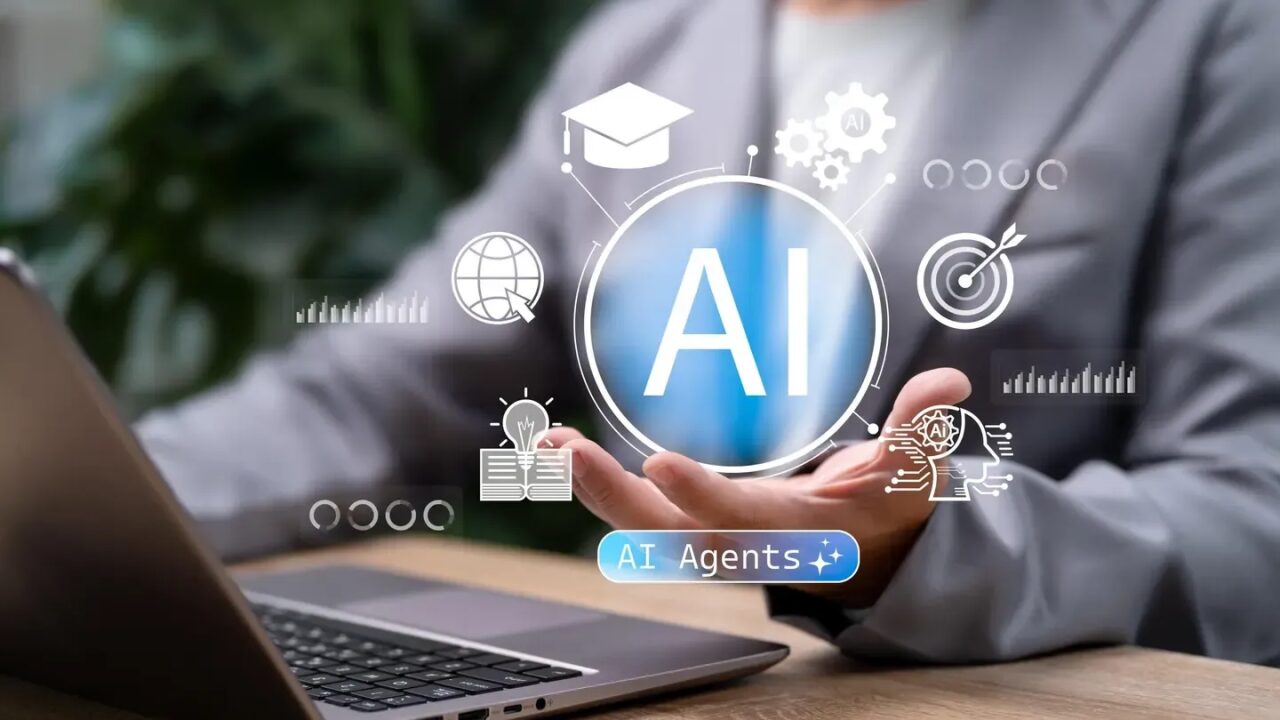
1. AI Agents In Education And Learning
AI is constantly evolving, and agents are the next leap forward; think chatbots like ChatGPT but capable of taking action, interacting with third-party services and carrying out complex tasks, rather than just answering questions and generating content. Teachers will use them to tailor learning to meet the needs of individuals, analyzing, reacting and setting the pace throughout a student’s learning journey. For students in both formal and informal environments, they will become personal learning assistants, capable of creating individually-tailored, immersive study environments. And businesses will use them to understand the skillsets of their workforce and proactively fill gaps that are holding them back.
2. AI Literacy
Understanding how to work with AI tools safely and effectively will be essential for both students and those heading into the world of professional work in 2026. Expect courses in AI competency to creep into curricula at all levels, as society comes to terms with its potential, and employers increasingly place value on those who understand how to make it work. This doesn’t just mean technical ability, but also an awareness of the dangers and ethical questions it raises. In 2026, expect a push from educators, industry and governments to get AI into the classrooms from an early age.
3. Upskilling And Reskilling For The Changing World Of Work
Jobs are changing, with some predicting that millions of jobs could be lost. Roles such as customer service operatives, administrative assistants and data entry clerks could become redundant. But many new jobs will be created too, and making sure your skills will be in demand in five to ten years’ time should be a top priority in 2026. Of course, many of these will be technology-related, in fields ranging from AI to cyber security, robotics and bioscience. It may also include physical tasks that robots will take some time to catch us up at, in construction or trades. For employers, ensuring their workforce has the skills needed to thrive in the AI era is both an ethical obligation and an essential business survival strategy.
4. Learning As A Skill
When the world is changing at an unprecedented speed, the most important ability is being able to keep up. The fact is, no matter what skills I might predict will be the most important at any time, technology could quickly turn everything on its head. The truth is that the ability to learn is a skill in itself, and something that can be improved with study and practice. This means taking advantage of opportunities like online learning and micro-learning, as well as looking at ourselves introspectively to understand the personal factors affecting our ability to learn. For older learners already making their way in their profession, it means looking for roles that give you the chance to build and improve your skillset as well as branch out in new directions. In 2026, no skill will be entirely future-proof—except this one.
5. Gamification, Experiential Learning And Virtual Worlds
In 2026, technologies like virtual reality, augmented reality, and AI mean that learning is becoming more hands-on, experiential and engaging. Instead of reading dry texts, students can experience a walk through an ancient civilization or blast off on a simulated launch into outer space. Experiments can be carried out in virtual labs without the cost or risk of working with expensive equipment. We can receive real-time feedback in a way that stimulates the senses, improving our ability to understand our actions. Research has repeatedly shown that adding rewards, competition, and the potential to iteratively improve our performance increases our ability to absorb and retain knowledge, and applying technology to achieve this will be a key trend in 2026.
6. Human-Centric Skills
With computers capable of managing many of the routine, technical and administrative elements of work, the value of human skills they can't replicate increases. I often write that the ability to foster interpersonal relationships, lead, empathize, collaborate, leverage our intrinsically human creativity, and plan long-term strategies taking into account variables beyond those machines can see, are all critical skills in the AI age. And as time passes, it’s proven increasingly true. In a world run by algorithms, the human touch will continue to be essential in every profession, from teaching to engineering new technologies. Without it, you may as well just replace yourself with a machine today.
In 2026, the very essence of what it means to learn, teach and prepare ourselves for the future will continue to transform before our eyes. But by understanding the critical differences between how machines and humans work, learn and drive progress, we can prepare ourselves for whatever changes are in store. The future belongs to those who can balance technological and human skills to solve problems and build a better world.

Related Articles

5 Important Davos 2026 Signals Leaders Mustn’t Ignore
By now, “smart” versions exist of just about every home appliance, gadget and gizmos we can think of. However, manufacturers continue[...]

Davos 2026: Jensen Huang On The Five Layer AI Cake, The AI Bubble And Key AI Breakthroughs
By now, “smart” versions exist of just about every home appliance, gadget and gizmos we can think of. However, manufacturers continue[...]
Why Picking The ‘Best’ AI Model Is The Wrong Question In 2026
By now, “smart” versions exist of just about every home appliance, gadget and gizmos we can think of. However, manufacturers continue[...]

Why Prompt Engineering Isn’t The Most Valuable AI Skill In 2026
By now, “smart” versions exist of just about every home appliance, gadget and gizmos we can think of. However, manufacturers continue[...]
When AI Becomes The New Immigrant: Yuval Noah Harari’s Wake Up Call At Davos 2026
By now, “smart” versions exist of just about every home appliance, gadget and gizmos we can think of. However, manufacturers continue[...]

MWC 2026: The IQ Era Is Here, And These Are The Trends Every Business Leader Needs To Watch
By now, “smart” versions exist of just about every home appliance, gadget and gizmos we can think of. However, manufacturers continue[...]

Sign up to Stay in Touch!
Bernard Marr is a world-renowned futurist, influencer and thought leader in the fields of business and technology, with a passion for using technology for the good of humanity.
He is a best-selling author of over 20 books, writes a regular column for Forbes and advises and coaches many of the world’s best-known organisations.
He has a combined following of 4 million people across his social media channels and newsletters and was ranked by LinkedIn as one of the top 5 business influencers in the world.
Bernard’s latest book is ‘Generative AI in Practice’.
Social Media