
The AI Trap More Companies Will Fall Into In 2026
13 May 2026
Technology discussion is dominated by trends. Tracking trends is useful because it keeps important breakthroughs and game-changing developments on our radar.
But it can also create the impression that digital transformation is simply a “checklist” of tools and technologies that we should be ticking off one by one, as we build them into our strategy.
Today, when businesses implement AI agents, robotics, predictive analytics, or other transformative capabilities, the bottleneck is no longer tech. It’s people, skills, governance and judgment.
Here, the real challenge lies in the trade-offs we’re willing to make. Do the increases in speed, scale and efficiency justify the potential for loss of human oversight, new forms of risk, and ever-increasing regulatory and accountability requirements?
This requires a shift in mindset, away from chasing new, hyped tools and towards addressing some of the trickier questions around the intersection of humans and technology. So let’s take a look at what that could mean.

The Real Challenges
With many businesses progressing their AI rollout from pilots and experimentation into day-to-day operations, the nature of the challenges they face is changing.
The hardest problems are no longer technical but cultural. AI reshapes the way decisions are made, what accountability looks like and how we balance opportunity versus risk.
When payment services provider Klarna scaled up its AI-powered customer services, it initially reported major efficiency gains. However, months later, it admitted that it had over-automated, damaging customer experience and forced it to reintroduce human workers.
This neatly illustrates that while automating decision-making at scale can improve speed and reduce costs, this won’t always translate directly to improved efficiency.
Focusing purely on the technical issues around digital transformation risks ignoring the impact technology will have on humans, either customers or employees. In 2026, getting this balancing act right is the challenge that will truly differentiate between winners and losers; far more so than platform choice or model performance.
Strategic Restraint
A key takeaway here is simply that not every technology trend should be pursued.
Jumping onto every passing bandwagon just so we can signal innovation is really just theatre. Instead, businesses should look to strategic restraint, in other words, knowing when to say no.
Increasingly, the benefits of digital transformation are available to everyone, regardless, to some extent, of budget, skills, and strategic vision.
However, every new project, pilot or initiative introduces complexity in the form of risks, dependencies and accountability. This means that knowing when to hold fire is just as important as spotting opportunities to pull the trigger.
Following the initial surge of excitement of the past few years, leaders must now learn to be much more selective about what technologies they implement, and to resist the temptation to “automate everything” just because it’s possible.
While experimentation for the sake of learning is still valid, holding off no longer signals indecision or a lack of curiosity or ambition; instead, it should be considered a sign of maturity as businesses become better at identifying and prioritizing initiatives that will lead to genuine growth.
Human Impact
Understanding how AI impacts people, and when saying no to automation is the right strategic choice, is now a critical leadership skill.
As AI capabilities become increasingly commoditized, the true differentiator is no longer who uses it (we all do), but who is best at managing the trade-offs that come with it.
This means exercising judgement over where AI adds value and where efficiency gains might be outweighed by business, reputational or ethical risk. Or where it could simply erode human connections between a business and the humans it exists to serve.
Today, AI and automation are cheap, but human values, judgment and abilities are increasingly valuable. Balancing their impact is critical if we want to generate real growth in 2026, rather than simply make a show of innovation and digital transformation.
Related Articles
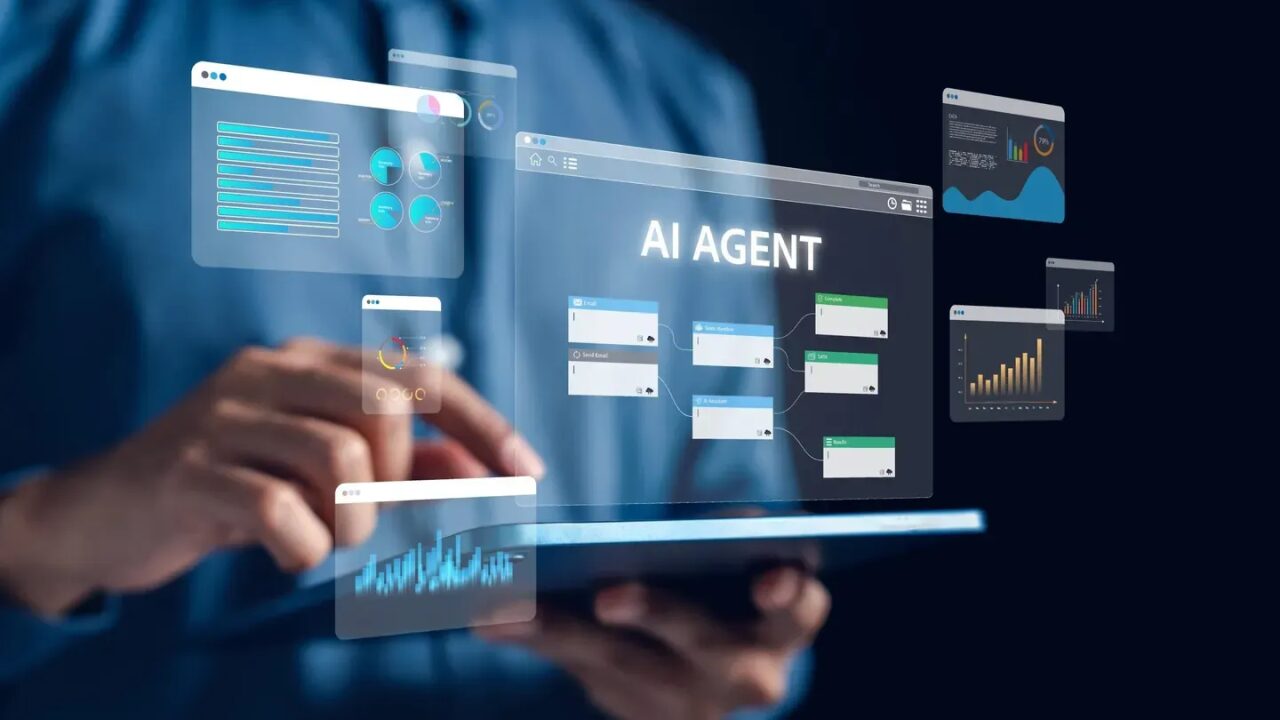
AI Agents Lead The 8 Tech Trends Transforming Enterprise In 2026
By now, “smart” versions exist of just about every home appliance, gadget and gizmos we can think of. However, manufacturers continue[...]

The 8 Data Trends That Will Define 2026
By now, “smart” versions exist of just about every home appliance, gadget and gizmos we can think of. However, manufacturers continue[...]

Sign up to Stay in Touch!
Bernard Marr is a world-renowned futurist, influencer and thought leader in the fields of business and technology, with a passion for using technology for the good of humanity.
He is a best-selling author of over 20 books, writes a regular column for Forbes and advises and coaches many of the world’s best-known organisations.
He has a combined following of 4 million people across his social media channels and newsletters and was ranked by LinkedIn as one of the top 5 business influencers in the world.
Bernard’s latest book is ‘Generative AI in Practice’.
Social Media