
The Future Of Corporate Learning And Employee Engagement: Why Traditional Training Is Dead
5 November 2024
Picture your last corporate training session. Was it memorable? Did it change how you work? Probably not. But that’s about to change. The convergence of artificial intelligence, immersive technologies, and post-pandemic work habits isn’t just updating corporate learning—it’s completely reinventing it.
The traditional approach of putting employees in a room for hours of PowerPoint presentations is no longer effective, especially with younger generations entering the workforce. As Eilert Hanoa, CEO of learning platform Kahoot!, explains, “Gen Z venturing into work life and their expectations on efficiency and shape and form drives the need for new ways of doing corporate learning. Whether you study on the way to work, at home, or in the office, it needs to be engaging.”

AI: The Game-Changer In Corporate Training
Artificial Intelligence is revolutionizing how organizations create, deliver, and analyze learning content. Rather than replacing human instructors, AI serves as a powerful enabler that can enhance the learning experience in multiple ways. "AI will strengthen a lot of the processes we already have established, whether it's creation of material, analyzing reports, or understanding outcomes from different sessions," says Hanoa.
The technology can help generate customized learning materials, provide instant feedback, and offer personalized learning paths based on individual progress and preferences. However, it's crucial to remember that AI should complement rather than replace human judgment. As Hanoa emphasizes, "AI itself is not enough. It needs to be connected to both great, trustworthy sources and used for what it is - a way to accelerate the development or gathering of information."
The Rise Of Immersive Learning Experiences
Virtual and augmented reality technologies are opening new possibilities for corporate training. While still in the early stages, these technologies offer unprecedented opportunities for hands-on learning experiences that were previously impossible or impractical to deliver at scale.
Imagine sales teams practicing difficult customer interactions in virtual environments or maintenance technicians learning complex repair procedures through augmented reality overlays. While the technology's full potential is yet to be realized, particularly due to hardware limitations, its impact on corporate learning is inevitable. "We definitely believe it's going to have a big impact," notes Hanoa, while acknowledging that factors like headset availability and comfort still need to evolve.
Gamification: Beyond Points And Badges
The concept of gamification in corporate learning has evolved far beyond simple point systems and leaderboards. Modern approaches focus on creating meaningful engagement that drives genuine learning outcomes. "Gamification cannot be for the sake of it," Hanoa explains. "It needs to be a way to make a good process become better and help you maybe pass the hurdle of a process which is not super engaging to begin with."
Effective gamification in corporate learning now incorporates elements like adaptive challenges, meaningful feedback loops, and social learning components. The goal is not just to make training more enjoyable but to create an environment that naturally encourages continuous learning and skill development.
Meeting The Hybrid Work Challenge
The shift to hybrid work has created new challenges in maintaining consistent learning experiences across remote and in-person employees. Organizations must ensure that their learning initiatives are equally effective regardless of where employees are located.
"We need to treat all employees alike, whether they are in the room or not for whatever reason," Hanoa emphasizes. "And we need to also make sure that it's a good way and venue to make all voices heard at the same time, giving the presenter or the meeting leader very time-efficient tools."
Shaping The Future Of Workplace Learning
As we look ahead, several key trends are shaping the future of corporate learning. The integration of AI capabilities will continue to accelerate, making learning experiences more personalized and effective. Mobile-first approaches will become increasingly important as organizations seek to reach employees wherever they are. And the focus on engagement will only intensify as companies compete for talent in a tight labor market.
Most importantly, the emphasis will be on creating learning experiences that drive real behavior change. As Hanoa puts it, "There's no point training employees in doing something and they continue to do what they did before." The future of corporate learning lies in creating engaging, accessible, and effective experiences that truly transform how employees work and grow.

Related Articles
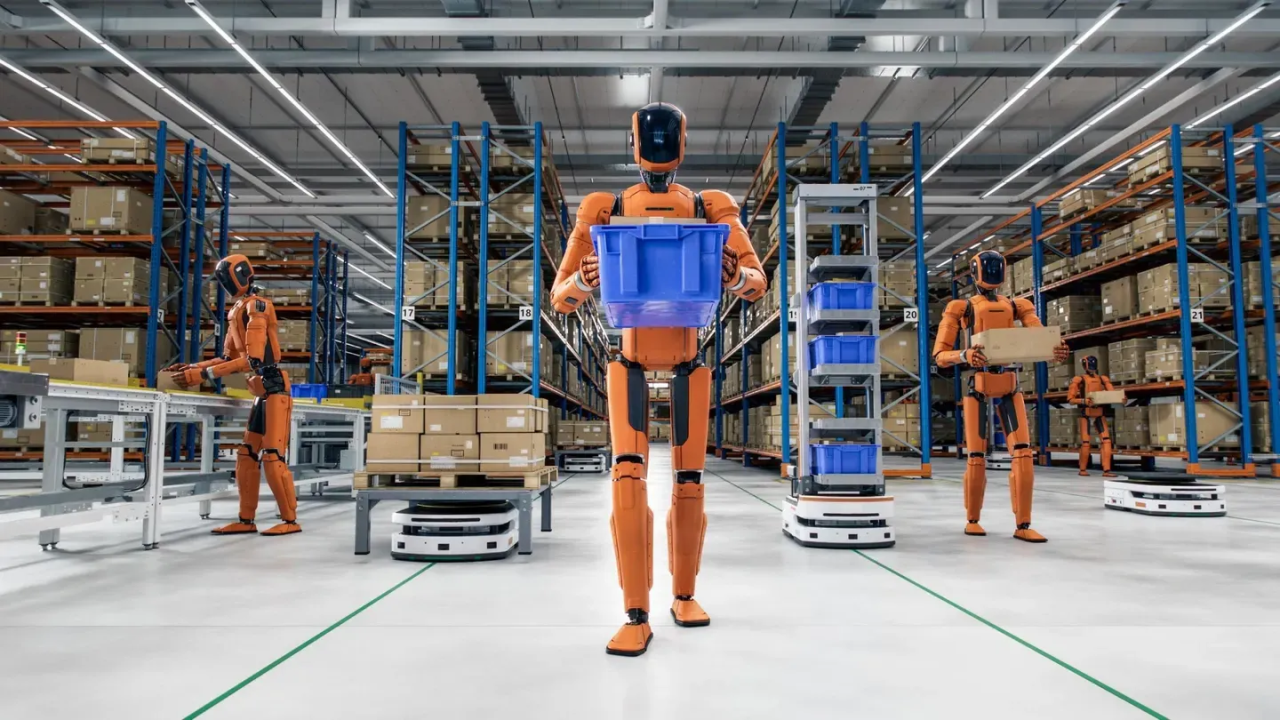
Workers Are Going On Strike Over Humanoid Robots, And This Is Just The Beginning
When workers go on strike because they fear robots taking their jobs, the age of humanoid automation suddenly feels very real.[...]

The AI Cold War Is Here, And Every Business Will Feel The Impact
In 2026, the decisions that will impact the future of AI and business are increasingly being taken outside of boardrooms and[...]
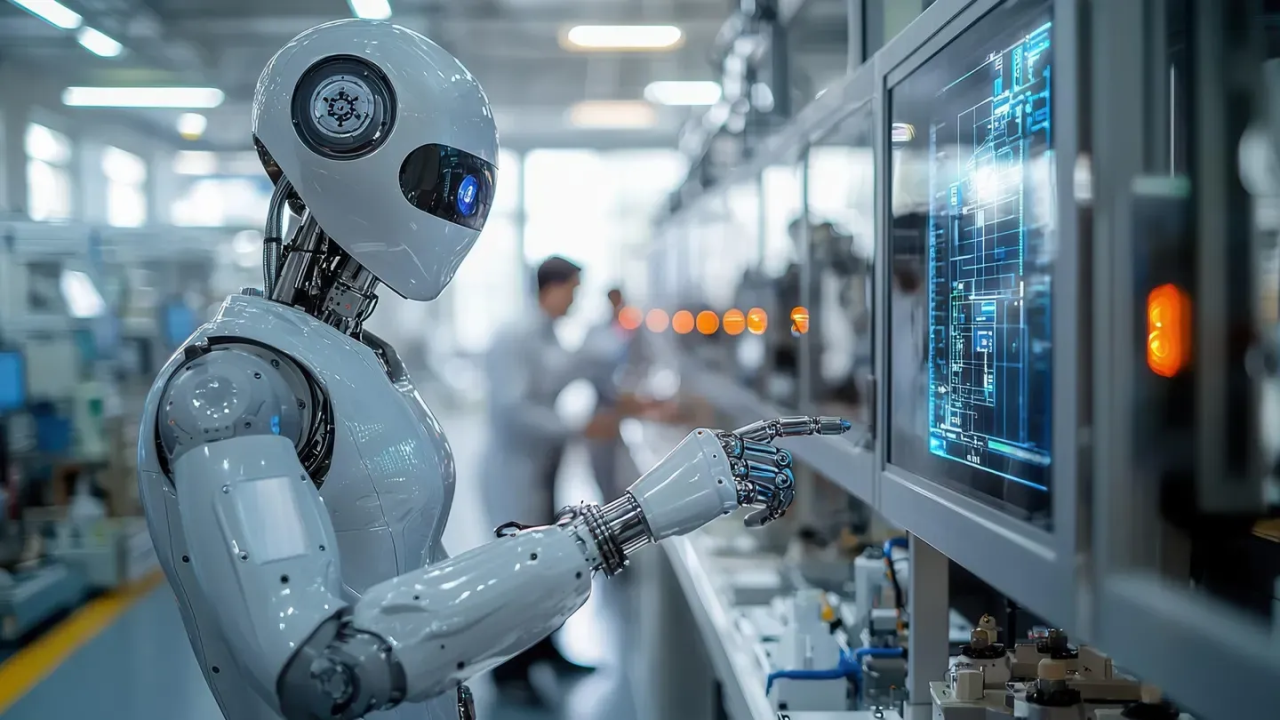
Humanoid Robots Are Coming, Here’s What Everyone Needs To Know
More than one billion humanoid robots could be living and working alongside us by 2050. That is Morgan Stanley's forecast, and[...]
How Maersk Is Using AI To Survive The New Era Of Tariff Chaos
In recent years, chaotic and unpredictable changes to international trade tariffs and regulations have created turbulence for companies importing and exporting[...]

AI Girlfriends Are Reaching Children, And We Need To Talk About What That Could Mean For Boys
What happens when a boy learns about intimacy from a girlfriend who is always available, endlessly customizable and incapable of saying[...]
How Siemens Is Bringing Generative AI To The Factory Floor
Generative AI is moving out of the chatbot and onto the factory floor. Siemens is putting the technology to work to[...]

Sign up to Stay in Touch!
Bernard Marr is a world-renowned futurist, influencer and thought leader in the fields of business and technology, with a passion for using technology for the good of humanity.
He is a best-selling author of over 20 books, writes a regular column for Forbes and advises and coaches many of the world’s best-known organisations.
He has a combined following of 4 million people across his social media channels and newsletters and was ranked by LinkedIn as one of the top 5 business influencers in the world.
Bernard’s latest book is ‘Generative AI in Practice’.
Social Media