
Why Every CEO Needs An OpenClaw AI Strategy, Whether They Know It Or Not
14 May 2026
Nvidia CEO Jensen Huang made a bold claim in his GTC keynote this year, predicting that the agentic AI framework OpenClaw will be one of the most significant open-source projects of all time.
In terms of its predicted contribution to society’s technological evolution, he ranks it on the same level as universally adopted open-source systems like the Linux operating system and Kubernetes, the cloud containerization platform.
Like them, Huang believes that OpenClaw, or similar open-source AI platforms, will simply be technology that every company will have to adapt to.
And the deeper meaning behind this message is that every company will need a strategy for doing business in an environment where AI agents are transforming every job, every organization and every industry.
So, what is OpenClaw? Why has it changed the way leaders are thinking about enterprise automation? And what are the key factors anyone trying to assess its impact and react to it strategically needs to address?
What Is OpenClaw And Why Does It Matter?
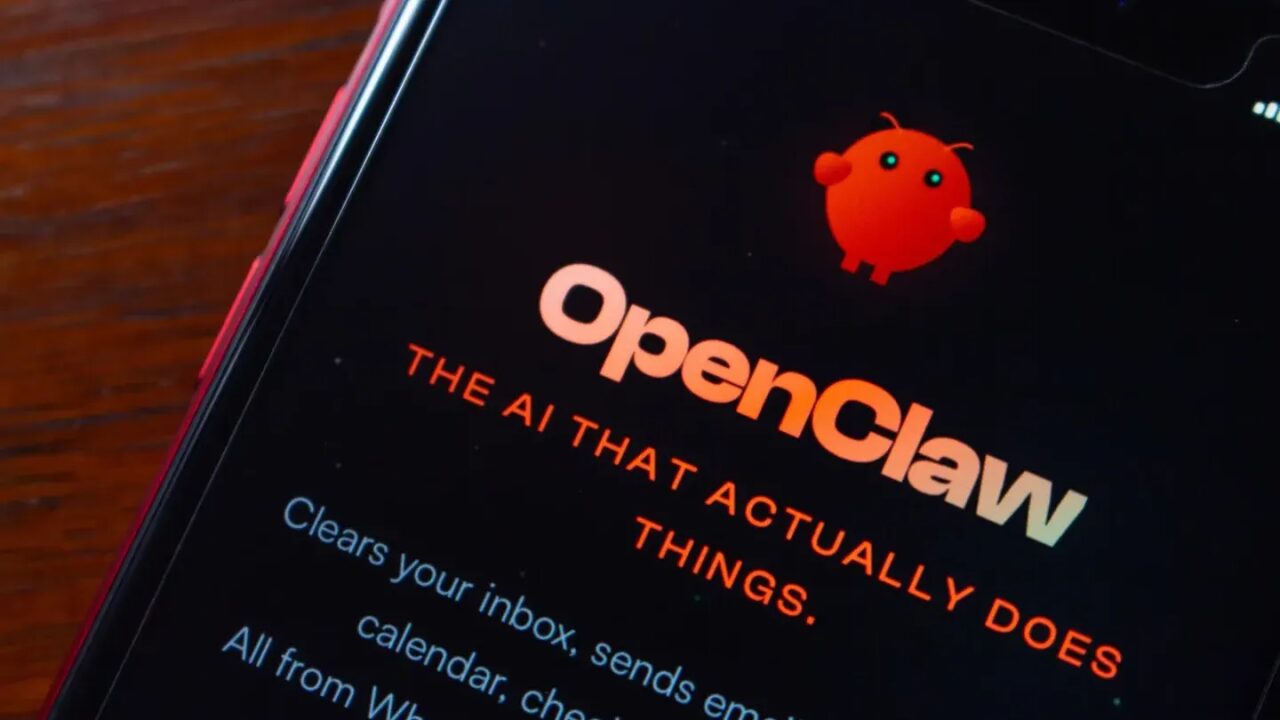
OpenClaw is an open-source (meaning the source code is available to anyone) platform for building and deploying autonomous AI agents. Its existence means anyone with the right technical skills can build agents and provide the compute power needed for them to run.
The agents that run on OpenClaw can interpret instructions, plan the best way to achieve their goals, and interact with third-party systems. Rather than waiting to be told what to do like a traditional software package, we give them jobs, and they work at them 24/7.
This creates massive opportunities to shake up the way we do business; accelerating innovation, driving efficiency and reclaiming the incredibly valuable time of human professionals from tasks that machines can do just as well.
An open-source framework like OpenClaw is an alternative to the more common method of running agents via proprietary cloud services (Salesforce Agentforce or Microsoft Azure, for example), where the agents may never truly be totally under your control or jurisdiction.
I don’t think it’s escaped Huang’s notice that adoption of open-source technologies like Linux, Apache and WordPress fueled the internet boom. And democratizing access to agentic technology could have a similar impact for AI.
Here's the thing, though. I don't think most CEOs have even begun to think about this yet. The potential implications, not just to business but to society as a whole, are too immense. AI “doomers” talk about humanity becoming redundant while its most devoted fans think it will usher in an era of abundance.
Stuck in the middle, business leaders who are wondering how it will affect them are often overwhelmed into adopting a wait-and-see approach.
And that’s nearly always a big mistake.
What This Really Means
If agentic AI delivers on its promise, then the biggest barriers to progress won't be technological anymore. Technology itself will lend a big hand when it comes to technical jobs like writing computer code, cybersecurity and data analytics.
One issue will be control. Organizations running AI agents on cloud services risk being affected by issues outside their control, such as service outages, changes to terms of service, or price hikes.
This means exploring the opportunities created by open-source frameworks like OpenClaw to host and have total control over your own agentic infrastructure could be a strategic choice.
Cybersecurity challenges center on the fact that existing IT security tools are built to detect and prevent attacks by humans. Now, agents are capable of persistently scanning for vulnerabilities and launching fully automated attacks. I’m not convinced most businesses understand the scale of this threat, or are strategically prepared for it, but they should be.
There will be issues with governance and compliance because, again, existing processes for upholding best practices and complying with regulations are usually aimed at policing people. Agents won’t be totally reliable any more than ChatGPT or a human worker might be, so processes need to be updated to keep everything working safely and legally.
Then there’s the cultural shift required. With machines taking on routine and day-to-day technical and administrative tasks, the nature of work itself changes. Employees may need to shift from a task-focused to a goal-focused mindset.
This makes humans with the ability to think strategically more vital to business success than ever. Managing this shift in expectations of what work involves and what human skillsets are valuable is also an essential element of strategy.
Closing The Gap
There's a gap between how prepared most organizations think they are to capitalize on the opportunities of agentic AI and how prepared they actually are.
The ability to close this gap is quickly becoming a core leadership competence. Anyone looking to pick up skills that won’t just remain useful but will rocket in value in the AI era could do worse than focusing here.
Change management will require soft skills more than hard technical skills, particularly when AI will handle much of the heavy technical lifting.
Nevertheless, putting a strategy in place to address the seismic shifts in business opportunity, autonomy, security and culture should be a high priority for every leader.
For most, the biggest risk is being unprepared, which could quickly lead to losing a competitive edge to rivals capable of responding more strategically.
Related Articles
Revolut Is Building An AI Brain For Banking, And It Could Change Finance Forever
Revolut is taking a very different approach to AI in banking. While many financial services companies are using off-the-shelf AI tools[...]
Why No One Really Understands AI, And Why That Should Worry Us
AI may be the most powerful technology most of us have ever used without really understanding how it works. That should[...]

Highlights Of The Adobe Summit London 2026: AI Coworkers, Smarter Marketing And The Future Of Customer Experience
The next customer visiting your website may not be a person. It could be an AI agent researching a purchase, comparing[...]
Is AI Making You Less Skilled? The Hidden Cost Of Letting Machines Think For You
Imagine you’re a great chef who decides to marry and live with a person who happens to be an even better[...]

Would You Bring A Dead Loved One Back As An AI Robot?
Would you bring someone you love back from the dead as a robot? It may sound like the premise of a[...]

5 Companies Winning With AI And What They Are Doing Differently
For many businesses, the AI journey starts with efficiency: automating tasks, streamlining processes and reducing costs. This can deliver significant value,[...]

Sign up to Stay in Touch!
Bernard Marr is a world-renowned futurist, influencer and thought leader in the fields of business and technology, with a passion for using technology for the good of humanity.
He is a best-selling author of over 20 books, writes a regular column for Forbes and advises and coaches many of the world’s best-known organisations.
He has a combined following of 4 million people across his social media channels and newsletters and was ranked by LinkedIn as one of the top 5 business influencers in the world.
Bernard’s latest book is ‘Generative AI in Practice’.
Social Media