
Why Vibe Coding Is About To Change Work In Every Industry
31 March 2026
Vibe coding is making it possible to build software at the speed of an idea. It is what happens when software creation moves from writing code to describing outcomes. You tell an AI what you want to build, what it should do, and what “good” looks like, then it generates the code and helps you refine it. The barrier to building useful tools has fallen fast.
That matters because software is the hidden engine of modern business, yet building it has always been slow, expensive and constrained by scarce engineering capacity. Vibe coding changes that equation by putting rapid prototyping and lightweight app creation within reach of far more people across the organization.
The opportunity is huge, faster experimentation, quicker internal tools and new ways to solve everyday bottlenecks. The risks are real too; security, governance, quality control and ownership can easily be overlooked when building feels effortless.
So, what does vibe coding actually mean in practice and how should leaders harness the speed without creating a mess they cannot control?

So What Is Vibe Coding?
Vibe coding means using AI tools to create applications simply by describing the goals, logic and outcomes that we want. AI then uses our instructions to write the code, doing the technical “heavy lifting” of generating the syntax and structure.
The result? It no longer takes a team of professional coders weeks or months to knock together software tools. Instead, just about anyone can build something useful in a few hours.
Vibe coding makes it easier and quicker to experiment and innovate by eliminating roadblocks caused by a lack of coding skills and engineering bottlenecks.
However, it also creates new risks, specifically around security, governance, quality control and ownership.
For business leaders, vibe coding offers the opportunity to redefine how ideas move from concept to execution. This means vastly speeding up the process of building prototypes or lightweight, internal tools that could solve many different problems.
And What Isn’t Vibe Coding?
It’s also important to understand what vibe coding isn’t, and what it shouldn’t be used for.
Firstly, it isn’t a replacement for traditional programming or software engineering. By this, I mean that building customer-facing and mission-critical applications and infrastructure should almost certainly be left to the professionals.
Traditional software engineering requires robust project management, version control, debugging, testing and security reviews. This demands specialist skills and an understanding of the many disciplines involved in designing and building software.
Vibe coding shouldn’t be used to create tools or apps that access sensitive data or control processes, such as financial transactions.
And it certainly isn’t about replacing the jobs of traditional software developers and engineers, although they’ll probably use it to work faster and more efficiently.
In short, vibe coding isn’t a replacement for engineering discipline; it’s a way of accelerating experimentation and problem-solving while leaving critical production and operational infrastructure in the hands of the experts.
So, How Is It Done?
Large-language model chatbots like Chat GPT or Google Gemini can generate computer language (code) as easily as they can generate human languages, so they can easily be used for vibe coding.
However, there are also more specialized chatbot-based tools like Claude Code, GitHub Co-Pilot, and OpenAI’s Codex and Cursor, which are specifically designed for vibe coding.
Whichever tool you use, the high-level process is pretty much the same; start by defining the outcome.
For example, we might tell our vibe coding platform that we need a tool to sort customer records and categorize them by how close they are to making a buying decision.
Or we could ask it to create a project management dashboard that pulls data from multiple systems and identifies projects that are at risk of drifting off schedule or over budget.
The key point is that, rather than telling a computer HOW to do something, as we do when writing code, we simply tell it WHAT to do. And to get it done safely and in line with our vision, we give it rules to follow where necessary and tell it what the end result should look like.
Good vibe coding means being clear about the problems we’re trying to solve and breaking them down into logical steps.
Usually, it involves working iteratively, as it’s unlikely to work exactly how you want it to the first time. This is why having a clear idea of what success looks like is essential, as each step will involve assessing the AI’s output and guiding it towards your vision.
Basically, vibe coding is less about technical proficiency and more about structured thinking, judgment, and clear communication. In other words, skills that professionals and business leaders should already be comfortable with.
Vibe Coding As A Capability Shift
Vibe coding offers the chance for organizations to fundamentally change the way they innovate. Now, anyone, not just those with advanced technical skills, can test out concepts and ideas, far more quickly and at lower cost than ever before.
Teams no longer have to wait for stretched engineering resources to become available in order to explore possibilities and validate ideas. Just as significantly, they can spend more time working out what needs to be done to improve customer experience, rather than wrestling with the technical challenges needed to make it happen.
What’s more, like AI in general, it’s only going to become more powerful and useful as time goes on, meaning the tools we can create will become more complex and useful.
This is why I firmly believe that vibe coding, while undoubtedly hugely hyped right now, is a fundamental shift in capability that no business can afford to ignore.
Related Articles

5 Ways To Measure The True ROI Of AI Agents
AI agents are moving rapidly from experimental pilots into the heart of everyday business operations. But as investment accelerates, one critical[...]
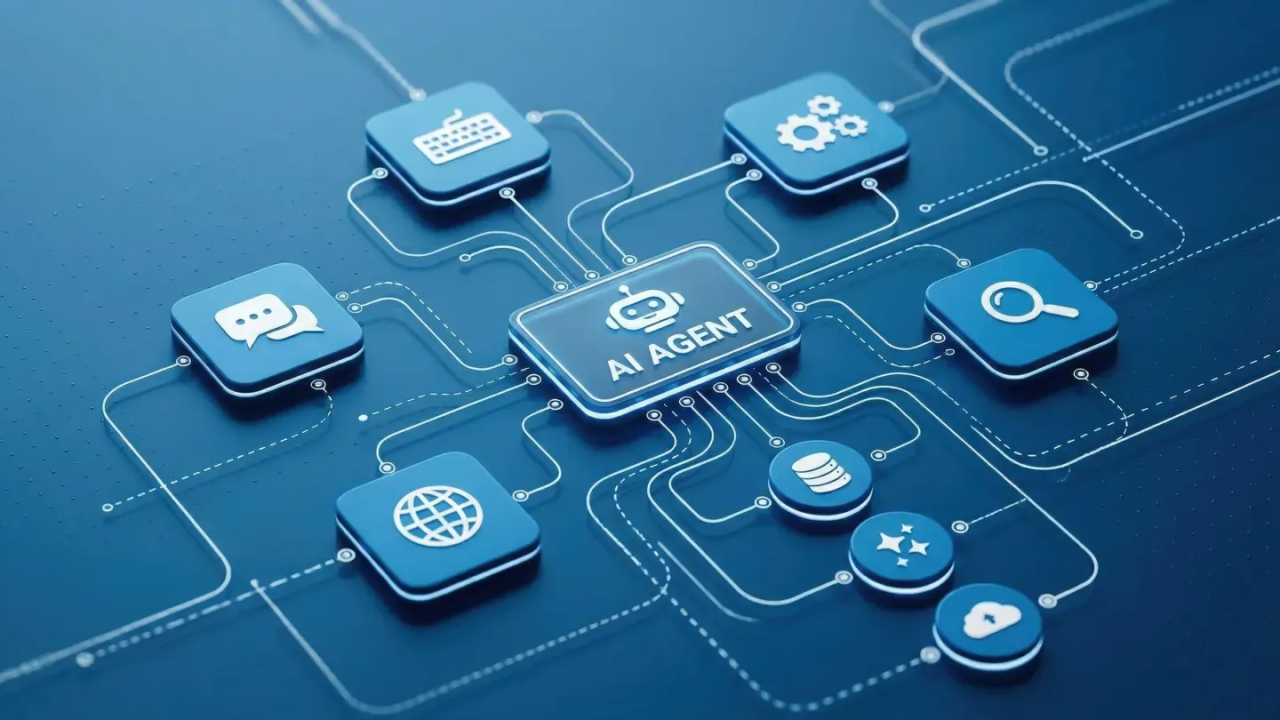
How To Get Your Business Data Ready For AI Agents
Give an AI agent bad data, and it can make bad decisions at machine speed. AI agents are ushering in a[...]

Sign up to Stay in Touch!
Bernard Marr is a world-renowned futurist, influencer and thought leader in the fields of business and technology, with a passion for using technology for the good of humanity.
He is a best-selling author of over 20 books, writes a regular column for Forbes and advises and coaches many of the world’s best-known organisations.
He has a combined following of 4 million people across his social media channels and newsletters and was ranked by LinkedIn as one of the top 5 business influencers in the world.
Bernard’s latest book is ‘Generative AI in Practice’.
Social Media