
The Dark Side Of AI: How Deepfakes And Disinformation Are Becoming A Billion-Dollar Business Risk
18 November 2024
Every week, I talk to business leaders who believe they’re prepared for AI disruption. But when I ask them about their defense strategy against AI-generated deepfakes and disinformation, I’m usually met with blank stares.
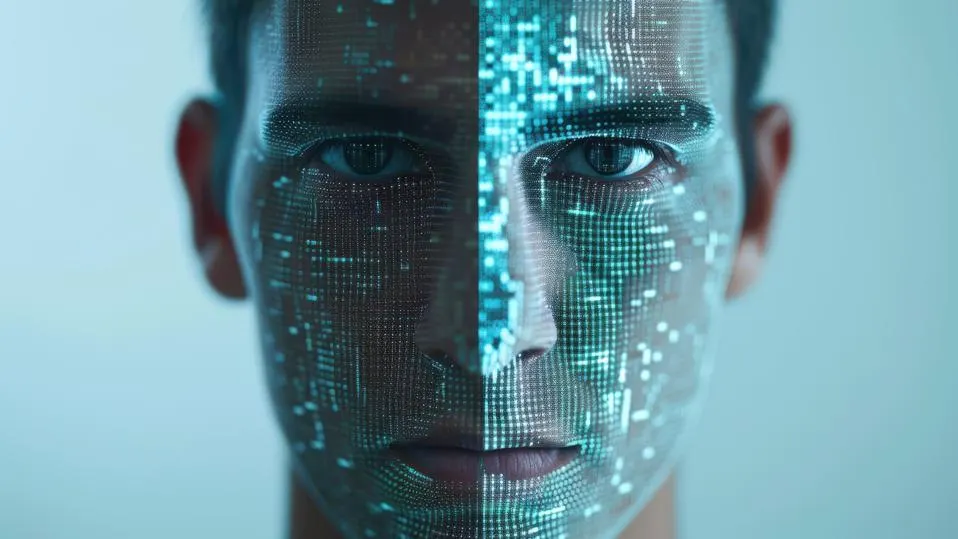
The truth is, we’ve entered an era where a single fake video or manipulated image can wipe millions off a company’s market value in minutes. While we’ve all heard about the societal implications of AI-generated fakery, the specific risks to businesses are both more immediate and more devastating than many realize.
The New Face Of Financial Fraud
Picture this: A convincing deepfake video shows your CEO announcing a major product recall that never happened, or AI-generated images suggest your headquarters is on fire when it isn't. It sounds like science fiction, but it's already happening. In 2023, a single fake image of smoke rising from a building triggered a panic-driven stock market sell-off, demonstrating how quickly artificial content can impact real-world financials.
The threat is particularly acute during sensitive periods like public offerings or mergers and acquisitions, as noted by PwC. During these critical junctures, even a small piece of manufactured misinformation can have outsized consequences.
Beyond The Bottom Line: Reputation Under Attack
The reputational risks are equally concerning. Today's deepfake technology can clone your senior executives' voices with frightening accuracy, creating fake speeches or interviews that could destroy years of carefully built trust in minutes. We're seeing an increasing number of cases where fraudsters use synthetic voices and deepfake videos to convince employees to transfer substantial sums to fake accounts.
But it's not just about high-level impersonation. AI can now generate thousands of convincing fake reviews in seconds, potentially devastating your customer trust. Even more worrying is the emergence of sophisticated identity theft schemes where criminals use AI to animate stolen ID photos for fraudulent loan applications.
Building Your Defense Strategy
The good news? While these threats are serious, they're not insurmountable. The key lies in creating a comprehensive defense strategy that starts with education. Your entire organization needs to understand not just what deepfakes are but also how to spot them and what to do when they encounter suspicious content.
Think of it like a fire drill for the digital age. Every employee should know exactly who to contact and what steps to take when they encounter potential AI-generated misinformation. Your marketing and PR teams, in particular, need to be ready with pre-approved response protocols and communication strategies.
The Technology Shield
While human vigilance is crucial, technology plays an equally important role in your defense strategy. Modern cybersecurity solutions now include specialized deepfake detection tools and AI-enabled systems that can spot abnormal communication patterns. These tools, combined with robust encryption and multi-factor authentication, create a formidable barrier against sophisticated impersonation attempts.
Building Trust In The Age Of Artificial Reality
Perhaps most importantly, businesses need to be proactively transparent about these challenges. By openly discussing the threats and sharing your protection strategies with customers, you build trust that can help weather any storms of misinformation that might come your way.
Think of it as vaccination against virtual viruses – the more your stakeholders understand about your defenses, the more resilient your organization becomes to these attacks.
Staying Ahead Of The Curve
The sophistication of AI-generated content isn't slowing down – it's accelerating. Tomorrow's deepfakes will be even more convincing than today's, and the tools to create them will be even more accessible.
Success in this new landscape requires a shift in organizational culture. Vigilance needs to become second nature, and the ability to quickly verify and respond to potential threats must be woven into your company's DNA.
The businesses that thrive in this new reality will be those that combine robust technical defenses with educated employees and transparent communication strategies. In a world where the line between real and fake becomes increasingly blurred, trust becomes your most valuable currency – and protecting it becomes your most crucial investment.
Remember, in the AI era, it's not just about embracing new technology – it's about defending against its misuse. The future belongs to those who can navigate this delicate balance with both confidence and caution.
Related Articles

AI Is Fueling A Flood Of Customer Complaints. Is That A Bad Thing?
Until recently, plenty of people with perfectly legitimate complaints never bothered to make them. They didn't [...]

Coca-Cola Is Using AI To Reinvent Marketing. Here’s What We Can Learn
Coca-Cola helped shape the modern image of Santa Claus. Its more recent[...]
Humanoid Robots In 2027: What They’ll Do And What Could Go Wrong
Humanoid robots look great in demonstrations. In 2027, they’ll have to prove they[...]
10 Future Of Work Trends That Could Change Your Job In 2027
What happens when your next coworker is an AI agent, your boss is an algorithm, and the[...]

How Caterpillar Is Using AI To Reinvent Heavy Industry Without Replacing Workers
Caterpillar has been putting autonomous machines to work in some of the world’s toughest environments for more than 30 years. And[...]
What Happens When AI Learns To Improve Itself?
The most dramatic leap in AI could come when humans are no longer doing all of the improving. That is the[...]

Sign up to Stay in Touch!
Bernard Marr is a world-renowned futurist, influencer and thought leader in the fields of business and technology, with a passion for using technology for the good of humanity.
He is a best-selling author of over 20 books, writes a regular column for Forbes and advises and coaches many of the world’s best-known organisations.
He has a combined following of 4 million people across his social media channels and newsletters and was ranked by LinkedIn as one of the top 5 business influencers in the world.
Bernard’s latest book is ‘Generative AI in Practice’.
Social Media