

ChatGPT: What Are Hallucinations And Why Are They A Problem For AI Systems
22 March 2023
In recent years, the rapid development of artificial intelligence (AI) has led to the rise of sophisticated language models, with OpenAI’s ChatGPT at the forefront. While these powerful tools have revolutionized various industries, they also come with their own set of challenges. One of the most concerning issues is the phenomenon of hallucination. In this article, we will demystify this term, explore why it’s a problem, and discuss ongoing efforts to mitigate it.

What is hallucination in AI?
Hallucination in AI refers to the generation of outputs that may sound plausible but are either factually incorrect or unrelated to the given context. These outputs often emerge from the AI model's inherent biases, lack of real-world understanding, or training data limitations. In other words, the AI system "hallucinates" information that it has not been explicitly trained on, leading to unreliable or misleading responses.
Examples of AI hallucinations?
Here are two examples of what hallucinations in ChatGPT might look like:
User input: "When did Leonardo da Vinci paint the Mona Lisa?" AI-generated response: "Leonardo da Vinci painted the Mona Lisa in 1815." (Incorrect: The Mona Lisa was painted between 1503 and 1506, or perhaps continuing until 1517.)
User input: "Tell me a fact about George Washington." AI-generated response: "George Washington was known for inventing the cotton gin." (Unrelated: Eli Whitney, not George Washington, invented the cotton gin.)
Why is hallucination a problem?
- Erosion of trust: When AI systems produce incorrect or misleading information, users may lose trust in the technology, hampering its adoption across various sectors.
- Ethical concerns: Hallucinated outputs can potentially perpetuate harmful stereotypes or misinformation, making AI systems ethically problematic.
- Impact on decision-making: AI systems are increasingly used to inform critical decisions in fields such as finance, healthcare, and law. Hallucinations can lead to poor choices with serious consequences.
- Legal implications: Inaccurate or misleading outputs may expose AI developers and users to potential legal liabilities.
Efforts to address hallucination in AI
There are various ways these models can be improved to reduce hallucinations, these include:
- Improved training data: Ensuring that AI systems are trained on diverse, accurate, and contextually relevant datasets can help minimize the occurrence of hallucinations.
- Red teaming: AI developers can simulate adversarial scenarios to test the AI system's vulnerability to hallucinations and iteratively improve the model.
- Transparency and explainability: Providing users with information on how the AI model works and its limitations can help them understand when to trust the system and when to seek additional verification.
- Human-in-the-loop: Incorporating human reviewers to validate the AI system's outputs can mitigate the impact of hallucinations and improve the overall reliability of the technology.
As ChatGPT and similar AI systems become more prevalent, addressing the phenomenon of hallucination is essential for realizing the full potential of these technologies. By understanding the causes of hallucination and investing in research to mitigate its occurrence, AI developers and users can help ensure that these powerful tools are used responsibly and effectively.


Related Articles

5 Real-World Vibe Coding Success Stories That Show What AI Can Really Do
Not too long ago, building software meant either spending years learning to code or paying someone a hefty fee to do[...]

How To Design Multi-Agent Workflows That Actually Work
AI agents are increasingly being pitched as virtual workers capable of running entire business processes with minimal supervision. But there’s a[...]

How Instacart Is Using Physical AI To Reinvent The Grocery Store
The smartest computer in your local grocery store may soon be the cart rattling toward the cereal aisle. For years, retailers[...]
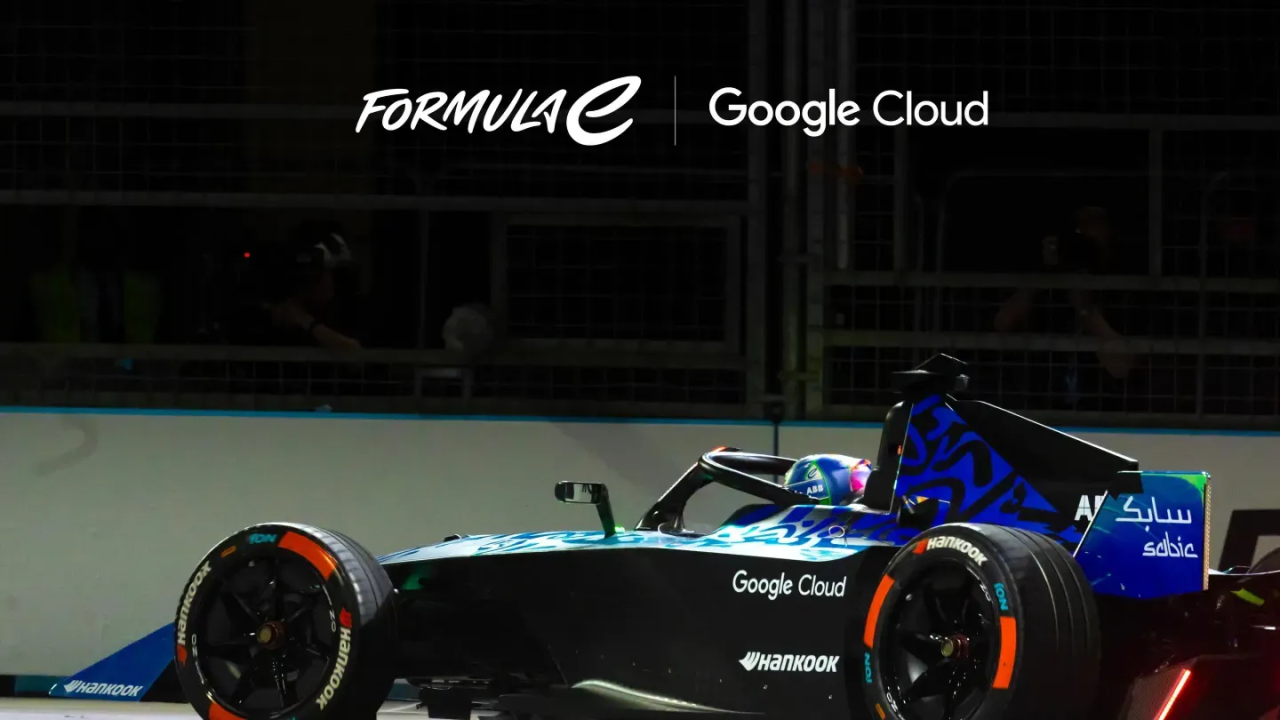
How Google Cloud Put An AI Agent Inside Formula E’s GEN4 Car
At 150 miles per hour, there is very little time to ask an AI assistant where you are losing speed. Yet[...]

Why The AI Race Is Really An Infrastructure Race
The most dangerous mistake in the AI race is assuming that the smartest model will win it. For the past few[...]

The 5 AI Scaling Mistakes That Could Derail Your Business
AI pilots can make AI look deceptively manageable. Scale is where reality arrives. A system that works brilliantly for 50 people[...]

Sign up to Stay in Touch!
Bernard Marr is a world-renowned futurist, influencer and thought leader in the fields of business and technology, with a passion for using technology for the good of humanity.
He is a best-selling author of over 20 books, writes a regular column for Forbes and advises and coaches many of the world’s best-known organisations.
He has a combined following of 4 million people across his social media channels and newsletters and was ranked by LinkedIn as one of the top 5 business influencers in the world.
Bernard’s latest book is ‘Generative AI in Practice’.
Social Media