
How Caterpillar Is Using AI To Reinvent Heavy Industry Without Replacing Workers
6 November 2026
Caterpillar has been putting autonomous machines to work in some of the world’s toughest environments for more than 30 years. And after decades of experience, it has learned an important lesson about AI and automation: building the technology is often the easy part.
The real challenge is making it work alongside people in messy, unpredictable real-world environments.
That insight is shaping the 100-year-old industrial giant’s latest AI strategy. Rather than simply replacing more human operators with autonomous machinery, Caterpillar is putting AI directly into the hands of workers, helping operators and technicians make better decisions, solve problems faster and work more safely.
It’s a human-first approach to AI that could offer lessons far beyond construction and mining. Here’s what Caterpillar is building, and what other business leaders can learn from it.
How Is Caterpillar Using AI Today?
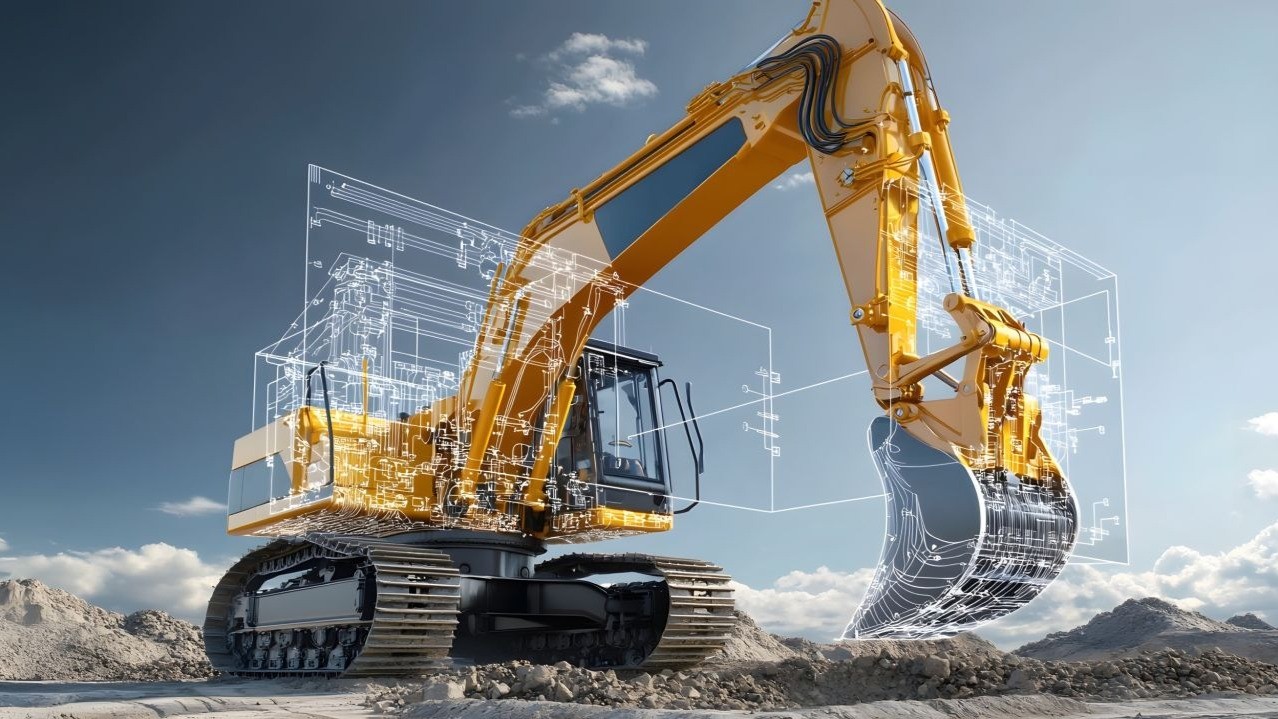
Caterpillar’s first autonomous machines were driverless trucks that hauled limestone from Texan quarries back in 1994.
Over 30 years later, the fleet has grown to 827 vehicles operating worldwide, and has collectively hauled more than 9.5 billion tons of material without causing a single reported injury to a human. They work 24 hours a day in environments that would be hugely hazardous to send human drivers into.
Now this experience gathered from automating mining operations is being expanded into many other industrial use cases. At CES 2026, the company unveiled its Cat AI Assistant, a voice-activated AI assistant built on Nvidia technology.
It’s designed to be embedded into machinery to assist operators on the job, with no need for them to stop, consult manuals, or radio technicians for help.
From the start of their working day to shift sign-off, operators are provided with real-time guidance, safety alerts, and coaching.
Voice-activated commands are processed onboard the machinery itself, rather than in the cloud, so responses are instant even in environments where internet connections are likely to be unstable.
When technicians do need to be called onto a site to fix a problem, they can quickly get an overview of which parts need replacing or what they have to reconfigure to bring machinery back online.
Having gathered data over 30 years of mining operations, CEO Jaime Mineart told TechCrunch, "Now we're in this super-exciting time where we can take all of that learning from mining and bring it into much more dynamic environments, jobsites, quarries, and construction sites.”
What Does This Mean?
Caterpillar’s strategy is focused on solving human challenges faced by operators of industrial machinery. Its two most important sectors, construction and mining, are facing severe skills shortages, with the U.S. Bureau of Labor Statistics reporting 298,000 unfilled jobs in May this year.
A root cause of this problem is that experienced operators and technicians are retiring faster than their replacements can be trained and put to work.
These workers take decades of accumulated knowledge with them when they leave. Nvidia vice president of robotics and edge AI, Deepu Talla, describes the platform as having the knowledge of “a 100-year industry expert”.
Through 1.6 million connected devices, Caterpillar has amassed a database of over 16 petabytes of structured data gathered from machines working real jobs in real-world environments. This makes it much more than a generic chatbot simply trained on manuals and equipment documentation.
To capitalize on this, Caterpillar is also committing to spending $100 million over five years training its workforce in order to bridge the skills gap, including in AI, automation and robotics.
Mineart also said that AI, including agentic AI, is deeply embedded in the company's own engineering processes, where it's used to generate and test new software features and identify defects before they cause problems.
What Can Leaders Learn From Caterpillar’s AI Strategy?
Caterpillar understands that leveraging AI is about more than just deploying technology; it's about creating industry-wide transformations that enable people to use that technology to its full potential.
It’s done this by leveraging three decades’ worth of learning about what happens when autonomous machines mix with humans in real-world working environments. Building machines is the easy part. Getting them working in messy, unpredictable environments alongside humans with established processes and workflows is trickier.
It also knows that technology, specifically AI, is key to tackling the skills crisis that’s affecting industries beyond construction and mining. Training assistants on decades of accumulated knowledge makes it simple to pass on that wisdom to trainees and new hires.
Heavy industries like construction and mining clearly have the opportunity to benefit from AI and automation. While focusing on humans rather than machines may seem counterintuitive, it’s why Caterpillar’s strategy works in the real world, not just in pilots and trials.
Other organizations, even those with far lighter loads to lift, can learn from this by building strategies that start with people and processes rather than products and tools.
Frequently Asked Questions
Related Articles
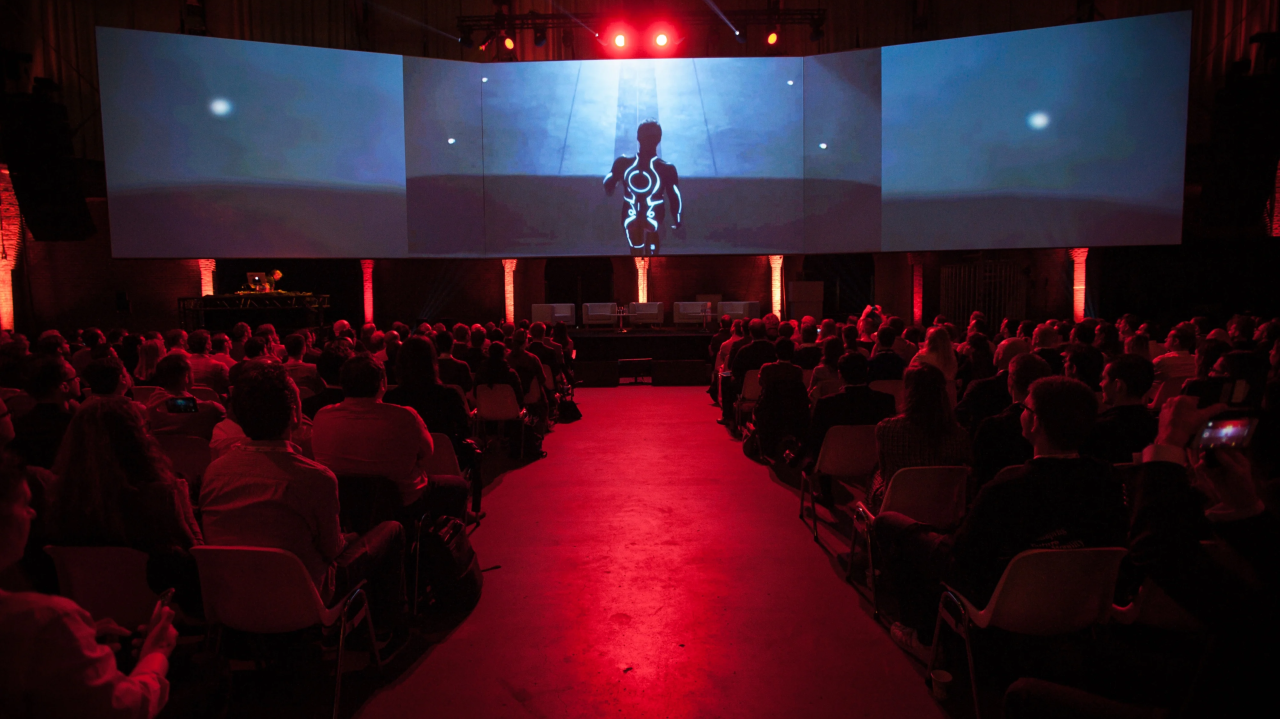
AI Is Growing Up: What World Summit AI 2026 Revealed About The Future Of Business
The AI industry is entering a new phase, where autonomous agents, business transformation, governance and human wisdom are taking center stage.[...]
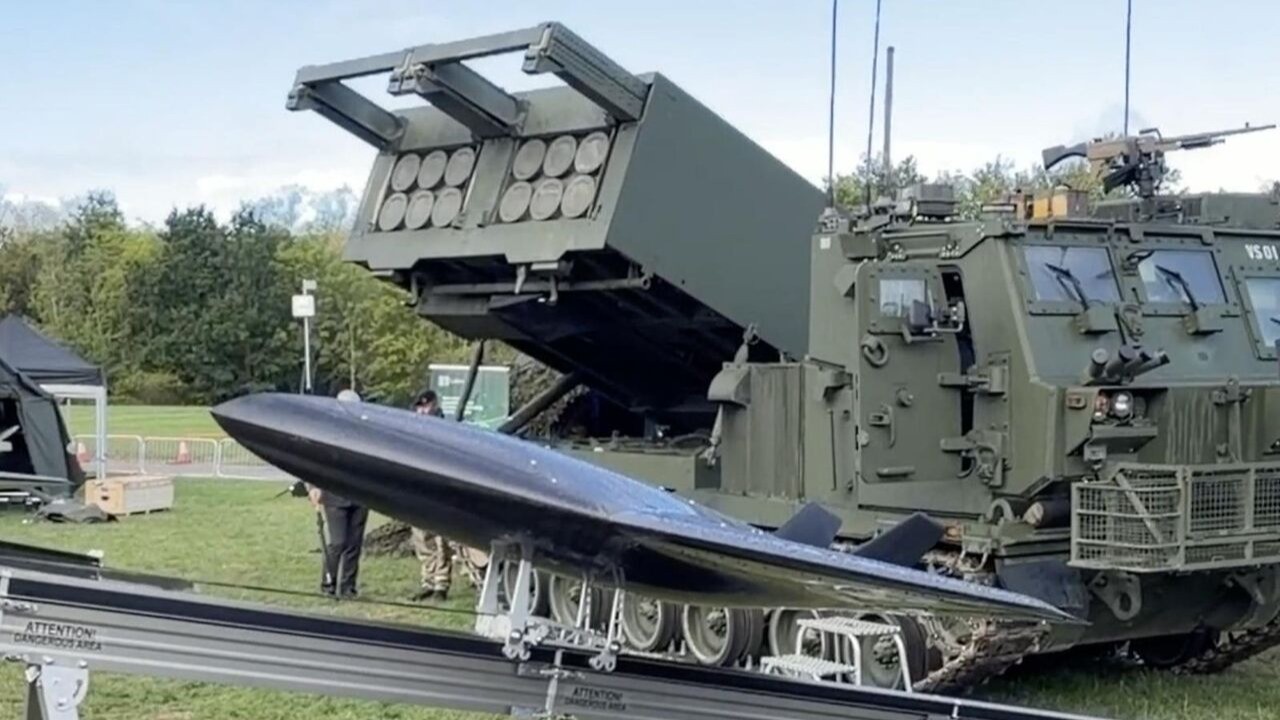
How AI, Drones And Autonomous Vehicles Are Transforming The British Army
The British Army is entering a new era in which soldiers will increasingly fight alongside drones, robots and AI-powered systems. I[...]

Sign up to Stay in Touch!
Bernard Marr is a world-renowned futurist, influencer and thought leader in the fields of business and technology, with a passion for using technology for the good of humanity.
He is a best-selling author of over 20 books, writes a regular column for Forbes and advises and coaches many of the world’s best-known organisations.
He has a combined following of 4 million people across his social media channels and newsletters and was ranked by LinkedIn as one of the top 5 business influencers in the world.
Bernard’s latest book is ‘Generative AI in Practice’.
Social Media