
The Amazing Ways Instagram Uses Big Data And Artificial Intelligence
2 July 2021
Instagram, the social networking app for sharing photos and videos, launched in 2010. Today, it boasts 800 million monthly active users and is owned by Facebook. There are 70 million photos uploaded to Instagram every day. People interact with each of those posts by showing their love with a heart, commenting and using hashtags. What all of this activity does is create an enormous amount of data. Once analysed, by humans as well as increasingly through artificial intelligence algorithms, it can provide incredible business intel and insights into human behaviour causing Instagram CEO Kevin Systrom to say, “We’re also going to be a big data company.”
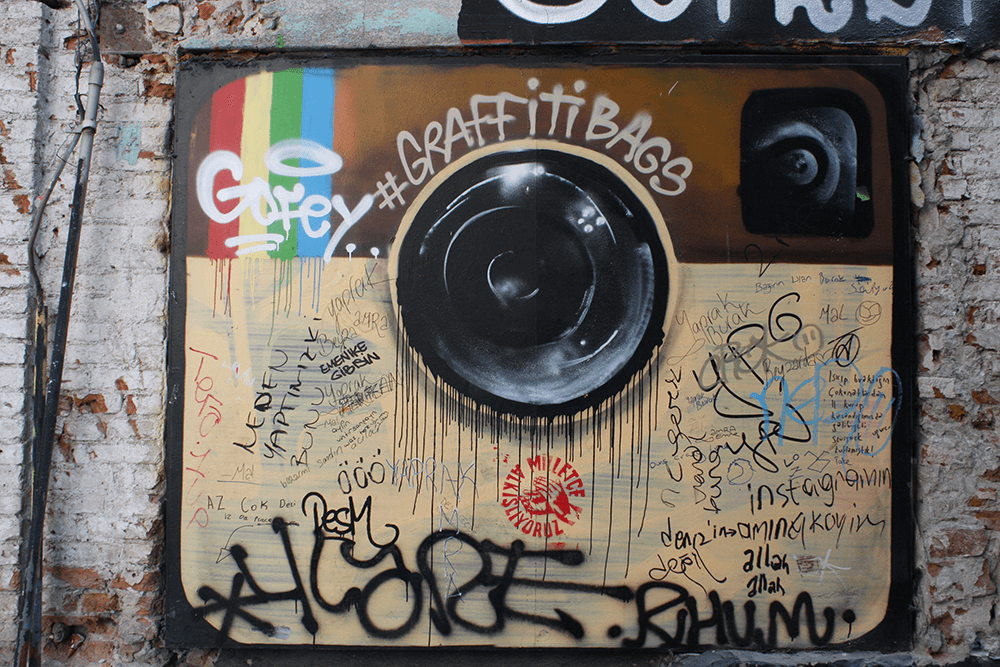
Explore Page and Search Function
Via the use of tags and trending information, Instagram users are able to find photos for a particular activity, topic or event or discover experiences, restaurants and places around the world that are trending. Enabled by tagging, the search tools help Instagram users discover things of interest among the millions of uploaded images.
Target Advertising
In order to make the data that Instagram collects valuable, it must extract customer insights from it. By assessing the search preferences and engagement insights from its users, Instagram can sell advertising to companies who want to reach that particular customer profile and who might be most interested in receiving a particular marketing message. Since Facebook with 1.8 billion users owns Instagram they have a powerful network of analytics information to help target advertising based on what people like, who they follow and interact with and what they save.
Enhance the User Experience
In order to ensure users find value in the platform, it’s important for Instagram to show them what they will like. As the amount of content grows, finding content that each user will find relevant becomes exponentially more challenging. When Instagram changed its feed from reverse-chronological order to showing posts that they believe users would like and share, machine-learning algorithms were put on the job to help sort the information and to better learn over time what is most valued and relevant for each user to create a personalised feed.
Filter Spam
Instagram uses artificial intelligence to fight spam. The spam filter is able to remove fake messages from accounts written in nine languages including English, Chinese, Russian, Arabic and more. Once messages are detected they are automatically removed. Instagram uses Facebook’s artificial intelligence algorithm DeepText that is able to understand the context of a message nearly as good as humans.
Fight Cyberbullying and Delete Offensive Comments
In a survey conducted by Ditch the Label, 42% of more than 10,000 UK youth between ages 12 and 25 reported Instagram was the platform where they were most bullied. With this unfortunate distinction of having the biggest cyberbullying problem of any social media site, they became the first to use machine learning to automatically remove offensive posts, whereas Facebook and Twitter rely on users to report abusive language. Based on the success of using DeepText to identify spam and remove it, Instagram officials began to see it as a solution to identify and eliminate comments that violate Instagram’s Community Guidelines. Humans reviewed and tagged actual Instagram posts to help DeepText learn what would be considered offensive content in certain contexts and what wouldn’t be. If the algorithm finds something offensive, it is immediately removed.
Even though DeepText isn’t perfect, it has received praise from cyberbully prevention organisations for the work it is doing. There is still the risk of misclassifying something as offensive when it’s not or that offensive comments will make it through.
Study the Human Condition
In one study, 100 million Instagram photos were used to learn global clothing patterns. What would have been an impossible amount of data to review is increasingly possible thanks to machine learning. This work showed the potential for machine learning to help extract insights when studying humans and social, economic and cultural factors around the world. This study exhibited the power of big data and technologies such as computer vision, automated analysis algorithms and machine learning to comb through enormous data sets that are created by social media sites to gain understanding about the world around us.
From enhancing its platform for users and advertisers to finding and removing fake or offensive content, Instagram uses the insights it extracts from all the data it collects to improve while others find great potential in the enormous data it collects to uncover insights about human behaviour, cultures and more.
Related Articles

5 Real-World Vibe Coding Success Stories That Show What AI Can Really Do
Not too long ago, building software meant either spending years learning to code or paying someone a hefty fee to do[...]

How To Design Multi-Agent Workflows That Actually Work
AI agents are increasingly being pitched as virtual workers capable of running entire business processes with minimal supervision. But there’s a[...]

How Instacart Is Using Physical AI To Reinvent The Grocery Store
The smartest computer in your local grocery store may soon be the cart rattling toward the cereal aisle. For years, retailers[...]
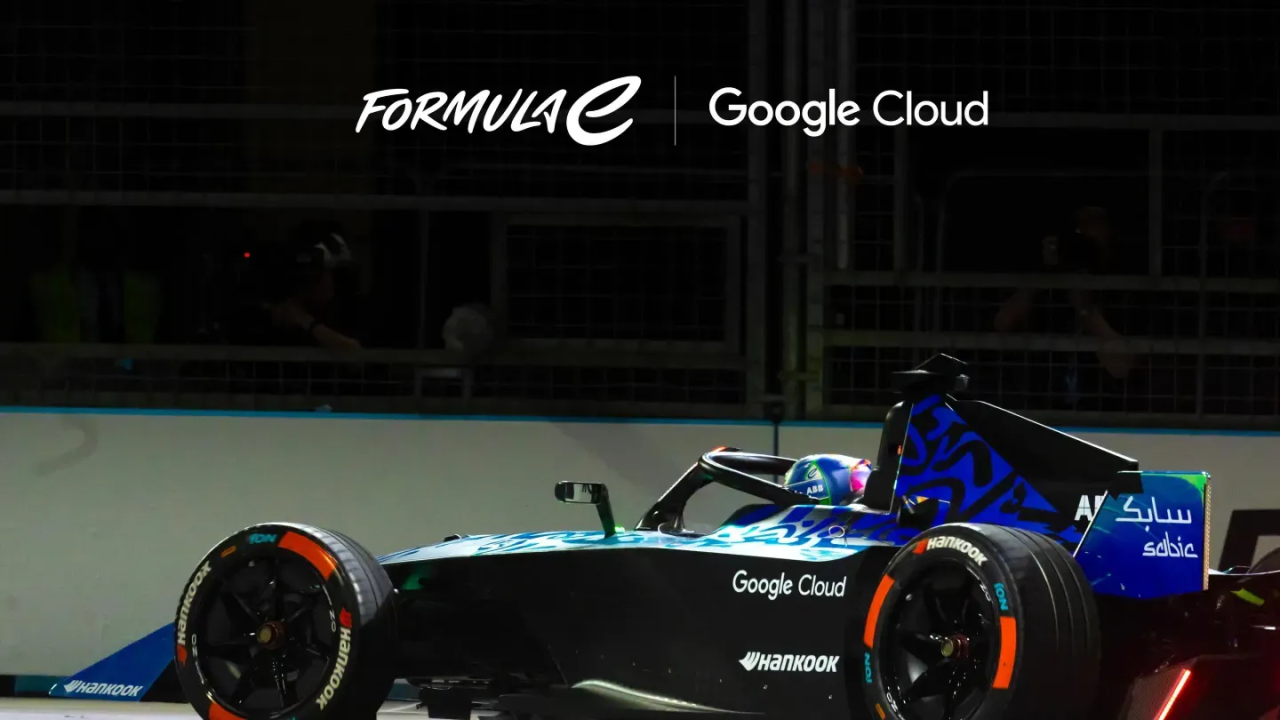
How Google Cloud Put An AI Agent Inside Formula E’s GEN4 Car
At 150 miles per hour, there is very little time to ask an AI assistant where you are losing speed. Yet[...]

Why The AI Race Is Really An Infrastructure Race
The most dangerous mistake in the AI race is assuming that the smartest model will win it. For the past few[...]

The 5 AI Scaling Mistakes That Could Derail Your Business
AI pilots can make AI look deceptively manageable. Scale is where reality arrives. A system that works brilliantly for 50 people[...]

Sign up to Stay in Touch!
Bernard Marr is a world-renowned futurist, influencer and thought leader in the fields of business and technology, with a passion for using technology for the good of humanity.
He is a best-selling author of over 20 books, writes a regular column for Forbes and advises and coaches many of the world’s best-known organisations.
He has a combined following of 4 million people across his social media channels and newsletters and was ranked by LinkedIn as one of the top 5 business influencers in the world.
Bernard’s latest book is ‘Generative AI in Practice’.
Social Media