

The Top 7 Technology Trends For 2026
27 October 2026
Technology is moving into a new phase in 2027, and once again AI sits at the center of it.
But this year the story goes far beyond chatbots and generative AI. Intelligent machines are moving into the physical world, humanoid robots are learning to work alongside us, autonomous weapons are raising frightening new questions, and AI-generated content is making it increasingly difficult to know what is real.
Meanwhile, the enormous computing power required to fuel this revolution is creating a race for new sources of energy, while wearables, smart glasses and increasingly capable voice assistants are beginning to challenge the screen as our primary interface with technology.
Other technologies we were talking about a few years ago, including VR, cryptocurrency and 3D printing, haven’t disappeared. They are quietly transforming industries and everyday life. But in 2027, they are competing for attention with developments that could have far more profound consequences.
These are the seven technology trends I believe will be the most impactful and disruptive in 2027, and many of them will force us to confront increasingly difficult questions about the relationship between technology, humanity and power.
AI Safety
As 2026 draws to a close, it’s hard to ignore that the biggest AI news stories of the year have been about risks. Public trust in the technology is in decline, and statements such as those by Anthropic researcher Evan Hubinger, claiming that AI has a 10% chance of wiping out humanity, have caused consternation. A key theme will be whether, and how, governments and international organizations act to tackle this in 2027. Another will be watching for further incidents like the Hugging Face attacks, suggesting the risk of losing control is growing.
What Is Real?
Synthetic content, deepfake video, disinformation at the speed of light. Distinguishing the authentic from the machine-generated will get harder, and developing strategies to deal with it will become more critical. This isn’t just a problem for politicians; From teachers marking assignments and HR sifting job applicants to national security agents monitoring propaganda campaigns by terrorists and hostile states, we’ll all find ourselves spending more time separating fact from AI-generated and propagated fiction in 2027.
Embodied And Physical AI
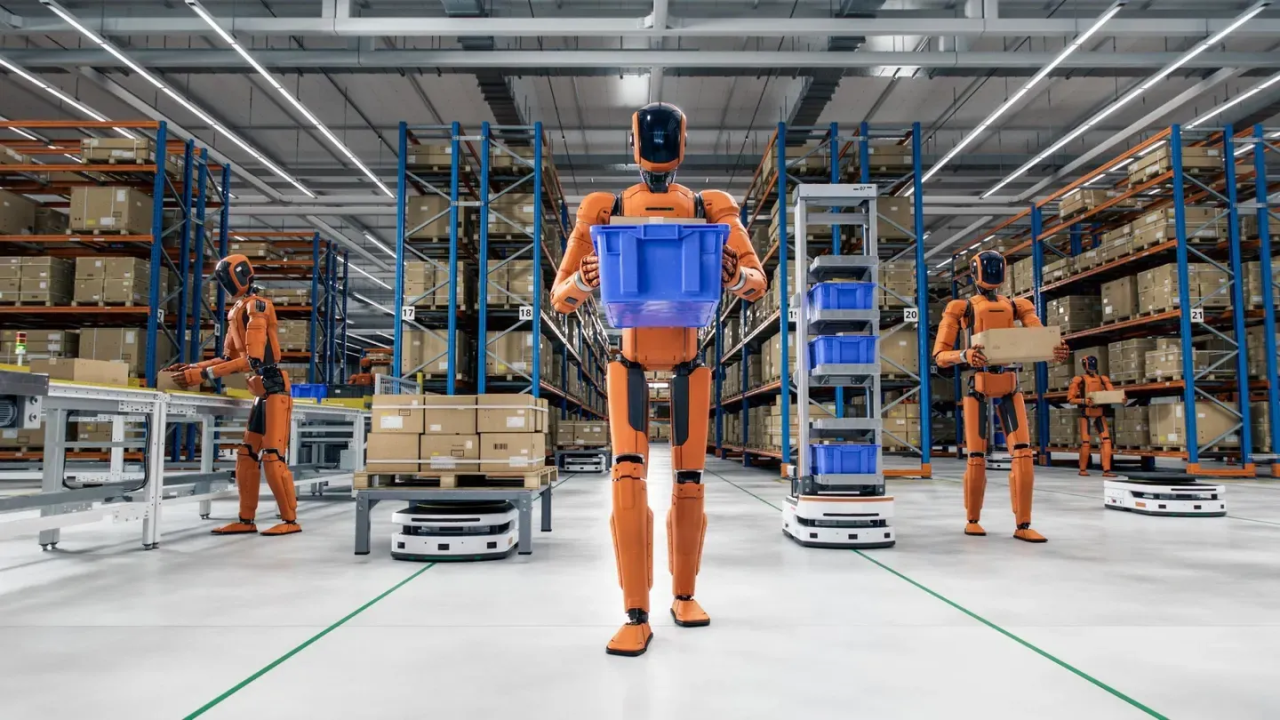
Autonomous cars, humanoid robots, and AI battlefield weapons. As we enter 2027, it's clear AI isn’t just something that lives on our computers and phones anymore. In the coming year, we probably won’t all find ourselves working alongside C-3PO-style mechanical colleagues just yet. But we will increasingly see the foundations being laid for a society where humans and intelligent machines work, travel and live side by side.
The Human Factor
Technology infrastructure will also be needed to support us humans, as we adjust to our new place in the world. This might mean things like administering universal basic income, which will continue to be debated and trialed. Or tech-driven solutions to the challenges of reskilling and upskilling human workforces to become more effective, not redundant. Those with exceptional human skills, like creativity, strategy, and interpersonal relationship-building, will have a huge role to play in 2027 in building, rolling out, and managing the impact on society of transformative digital technologies.
The Future Of War
Sadly, world peace doesn’t seem to be on the table for 2027, with wars in Ukraine and across the Middle East looking set to continue. In recent years, these conflicts have established themselves as proving grounds for new methods of electronic warfare, autonomous weaponry and remote-piloted drone attacks. One frightening prospect is a deployment of robots capable of making their own decisions over when to use lethal force; it’s looking increasingly likely that a deadline set for the end of 2026 by the UN and ICRC, for an international treaty on the use of autonomous weapons to be passed, will not be met.
The Post-Screen Age
No, screens won’t vanish in 2027. But the ongoing adoption of wearables, smart glasses and voice assistant technology means more data will reach us in other ways. Smart glasses are having another moment, with new models and marketing from Meta and Google growing sales by 167 percent this year, a trend that’s expected to continue. And integration with more advanced AIs means smart speakers, earbuds and in-car entertainment systems can have conversations worth talking about now. Is this all a symptom of the “attention economy,” compelling us to find new ways to stay constantly connected and consume information? If you think so, the digital minimalism movement of people attempting to digitally declutter their lives will also be on-trend this year.
Power Play
Nothing on this list happens without electricity. However, geopolitical unrest, shifting consumer sentiment and disruptive new technologies mean the volume and security of its supply are uncertain. To meet the city-scale demand from data centers that have sprung up almost overnight, themes for 2027 include on-siting small modular reactors at power-hungry facilities and orbital power plants, capable of harvesting the sun’s energy around the clock. We'll also likely hear more about nuclear fusion, since Google signed the first commercial agreement to buy fusion-generated power in 2025. While delivery isn’t expected before 2030, interest will likely grow as the possibility of creating energy from the same processes that power the sun gets closer to reality.
The Age Of Convergence
The biggest technology story of 2027 will be convergence. AI, robotics, energy, new interfaces and autonomous systems are starting to collide in ways that will reshape how we work, communicate, fight, create and make decisions. The challenge for 2027 will be ensuring that our ability to deploy these technologies keeps pace with our ability to understand and manage their consequences.
Frequently Asked Questions


Related Articles
Workers Are Going On Strike Over Humanoid Robots, And This Is Just The Beginning
When workers go on strike because they fear robots taking their jobs, the age of humanoid automation suddenly feels very real.[...]

The AI Cold War Is Here, And Every Business Will Feel The Impact
In 2026, the decisions that will impact the future of AI and business are increasingly being taken outside of boardrooms and[...]

Sign up to Stay in Touch!
Bernard Marr is a world-renowned futurist, influencer and thought leader in the fields of business and technology, with a passion for using technology for the good of humanity.
He is a best-selling author of over 20 books, writes a regular column for Forbes and advises and coaches many of the world’s best-known organisations.
He has a combined following of 4 million people across his social media channels and newsletters and was ranked by LinkedIn as one of the top 5 business influencers in the world.
Bernard’s latest book is ‘Generative AI in Practice’.
Social Media