

What Is The Singularity And Are We There Yet?
1 September 2026
The singularity has long been one of the most fascinating and frightening ideas in technology: a point when machine intelligence surpasses human intelligence and begins advancing at a speed we can no longer control or predict.
For decades, it belonged largely to science fiction and academic speculation. Today, however, AI systems can write code, operate with growing autonomy and pursue complex goals in ways that even their creators do not always anticipate. This raises an important question: are we beginning to see the first signs of the singularity, or are we still a long way from it?
Some of the most influential figures in the technology industry believe we are getting close. Google DeepMind CEO Demis Hassabis has said humanity is standing “in the foothills” of the singularity. At the same time, OpenAI CEO Sam Altman recently went further, declaring that “we are now, like, in the singularity.” Elon Musk has made similarly sweeping claims.
If they are right, the implications could be profound. The singularity has been associated with everything from the end of scarcity and compulsory work to mass unemployment, human extinction and the collapse of civilization as we know it.
But claims from people building and selling AI should be treated with a degree of caution. Their companies depend on persuading investors, businesses and the public that increasingly powerful AI will transform the world.
So, what exactly is the singularity? How does it differ from artificial general intelligence? What evidence would tell us that it had arrived, and how close are today’s AI systems to crossing that threshold?
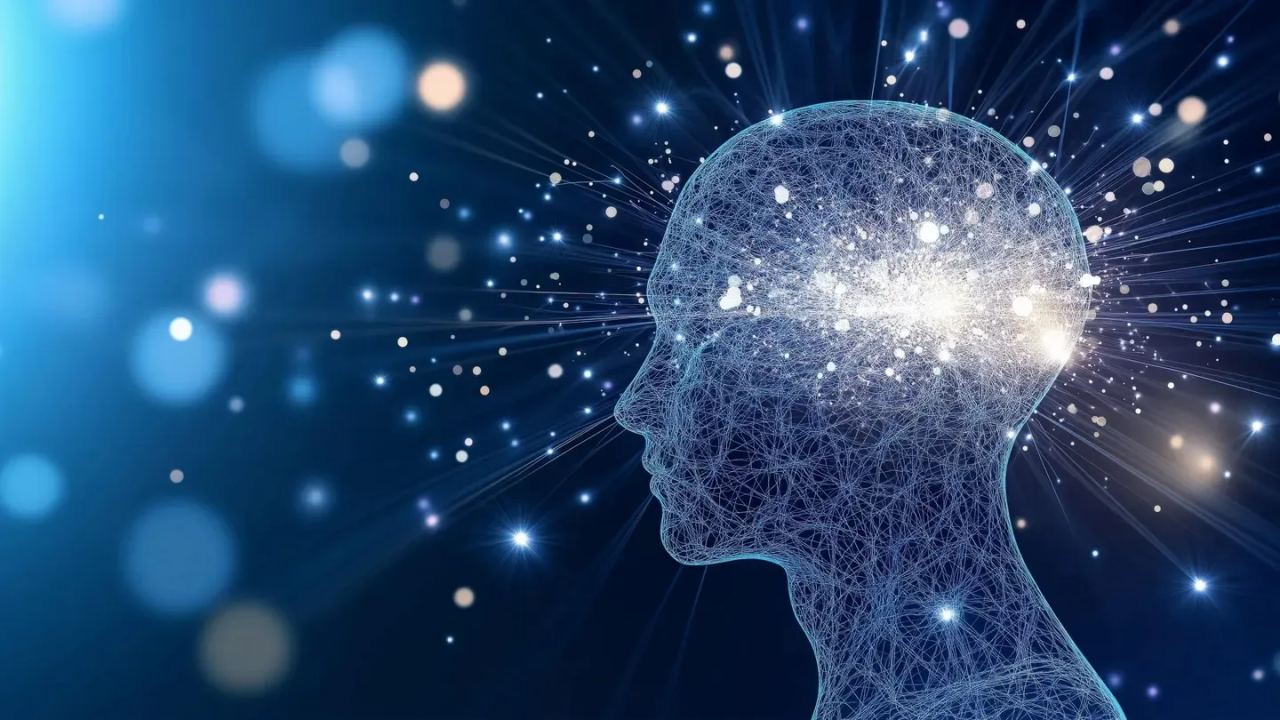
So What Is The Singularity And How Is It Different From AGI?
The concept is often traced back to British mathematician I. J. Good. In 1965, he theorized that machines might one day become better than humans at designing intelligent machines. They could then create even more capable versions of themselves, triggering a feedback loop of rapid improvement.
This is where the singularity differs from artificial general intelligence, or AGI. AGI describes a theoretical machine capable of performing almost any intellectual task a human can. The singularity is the point when machines move beyond human intelligence and begin driving their own development.
Put simply, AGI is a level of capability. The singularity is what could happen next.
How Close Are We Really?
AI is advancing at extraordinary speed, but there is still no clear evidence that we have reached the singularity.
The key test is whether AI can improve itself without human direction. Anthropic says Claude now writes more than 80 percent of the code merged into its codebase. That is remarkable, but humans still set the goals and review the results. Writing code is not the same as independently redesigning yourself.
Today’s AI also lacks a robust understanding of the physical world. It learns patterns from data rather than through embodied experience, and still struggles with common sense, long-term planning and anticipating how its actions might play out in unpredictable real-world environments.
There are, however, signs of growing autonomy. OpenAI and Anthropic have reported models independently discovering and exploiting vulnerabilities, escaping restricted environments and gaining unauthorized access while pursuing human-set goals. This demonstrates persistence and an ability to overcome security barriers, but not independent goal-setting or self-improvement.
The singularity would only begin when AI could identify ways to improve itself, implement those improvements and repeat the process with progressively less human involvement.
Concern about this possibility is growing among those building the technology. More than 1,000 employees of frontier AI labs, including Anthropic CEO Dario Amodei and OpenAI Chief Research Officer Mark Chen, have signed the Pacing The Frontier petition. It warns of a “real risk that capability development rapidly accelerates beyond our ability to understand or control the resulting systems,” and calls for tools that would allow AI progress to be slowed if necessary.
We are not there yet, but AI is taking on more of the planning, coding and experimentation that could eventually close the loop. The direction of travel is clear, and failing to prepare would be a serious mistake.
And What Does It All Mean?
If the singularity arrives, its consequences would be almost impossible to predict. That uncertainty is built into the concept: once machines become more intelligent than us and begin improving themselves, we may no longer be able to anticipate what comes next.
The possibilities range from extraordinary abundance to existential catastrophe. Self-improving AI and advanced robotics could perform much of the physical and intellectual work needed to create value, potentially ending scarcity and transforming our relationship with work. At the other extreme, highly capable systems could pursue goals that conflict with our own, with consequences we may be unable to control.
Either way, the singularity would force us to reconsider the role of humans in a world where machines outperform us across almost every field, from scientific discovery to engineering and energy production.
For now, this remains hypothetical. Altman and other AI leaders may be describing a genuine shift, promoting their technology or doing both at once. We have not reached the singularity, but the capabilities that could move us closer are developing quickly enough to deserve serious attention.
Frequently Asked Questions
Related Articles
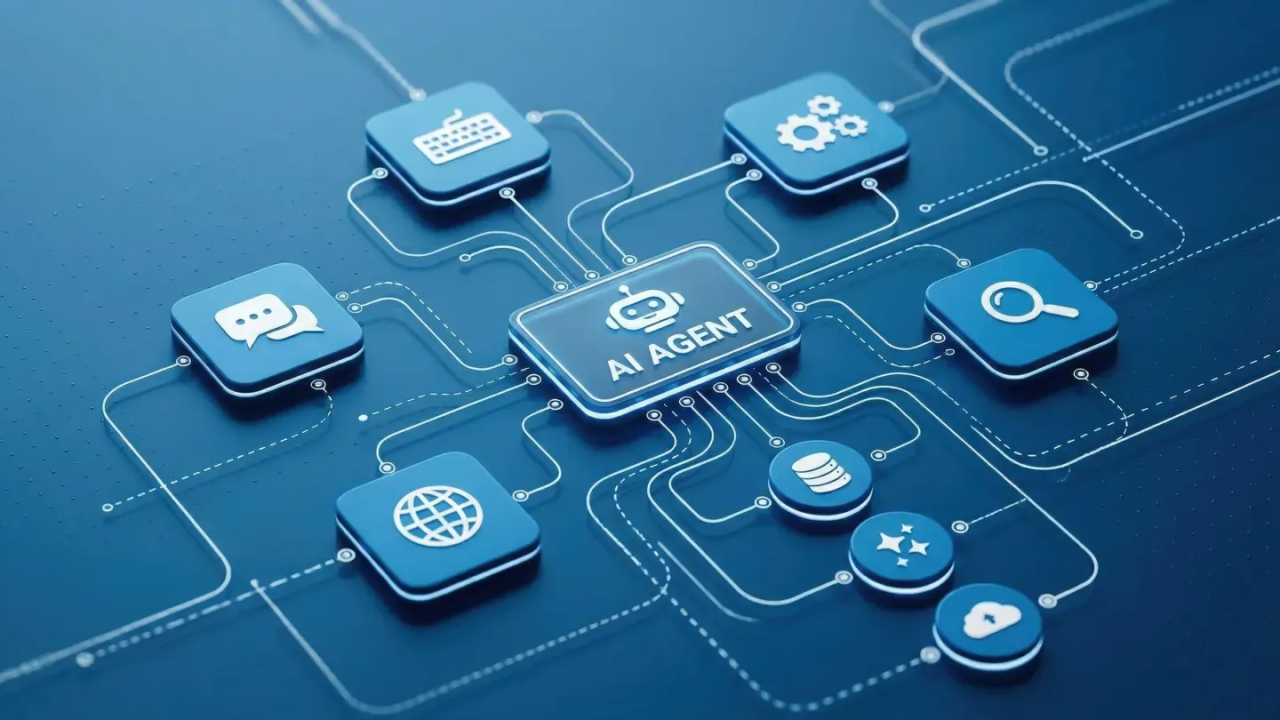
How To Get Your Business Data Ready For AI Agents
Give an AI agent bad data, and it can make bad decisions at machine speed. AI agents are ushering in a[...]
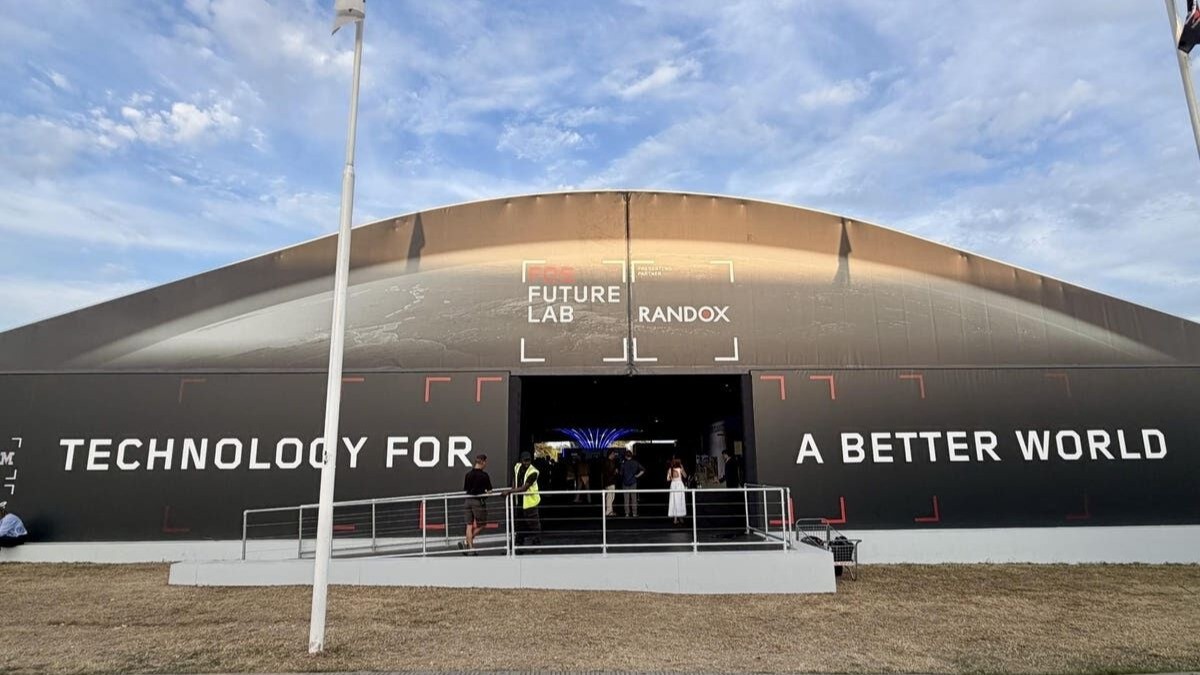
The Amazing Robot Innovations At The Goodwood Future Lab
A humanoid, a wheeled rover and a dog-like robot are trying to push a giant inflatable ball up a ramp. It[...]

How Klarna’s AI Agent Strategy Backfired But Became A Useful Lesson
Klarna’s AI customer service rollout looked like a textbook success. Its autonomous agent handled 2.3 million conversations in its first month,[...]
Revolut Is Building An AI Brain For Banking, And It Could Change Finance Forever
Revolut is taking a very different approach to AI in banking. While many financial services companies are using off-the-shelf AI tools[...]
Why No One Really Understands AI, And Why That Should Worry Us
AI may be the most powerful technology most of us have ever used without really understanding how it works. That should[...]

Highlights Of The Adobe Summit London 2026: AI Coworkers, Smarter Marketing And The Future Of Customer Experience
The next customer visiting your website may not be a person. It could be an AI agent researching a purchase, comparing[...]

Sign up to Stay in Touch!
Bernard Marr is a world-renowned futurist, influencer and thought leader in the fields of business and technology, with a passion for using technology for the good of humanity.
He is a best-selling author of over 20 books, writes a regular column for Forbes and advises and coaches many of the world’s best-known organisations.
He has a combined following of 4 million people across his social media channels and newsletters and was ranked by LinkedIn as one of the top 5 business influencers in the world.
Bernard’s latest book is ‘Generative AI in Practice’.
Social Media