
How Maersk Is Using AI To Survive The New Era Of Tariff Chaos
12 October 2026
In recent years, chaotic and unpredictable changes to international trade tariffs and regulations have created turbulence for companies importing and exporting goods.
Frequent changes to the way rates are imposed and customs processes mean procedures often change faster than human teams can keep up with. The result is that businesses now face spiraling compliance costs and increased risks of fines and penalties.
This isn’t the way things were meant to go. For decades, free trade agreements and a move towards globalization of business meant tariffs fell, and borders became less cumbersome to navigate. The resulting drop in the cost and complexity of importing and exporting ultimately led to higher profits and lower costs for consumers.
Global shipping and logistics giant A P Moller-Maersk calls the situation today “tariff chaos.” In response, it’s now using decades of data, along with its experience deploying AI, to solve this problem for its customers.
Let’s take a look at how it’s doing this, and what its AI and intelligent automation strategy can teach us about the future of logistics.
What Is Maersk Doing?
In 2025, Maersk, carrier of one-fifth of the world’s sea cargo, launched Tariff & Trade Studio, an AI-powered customs and tariff platform. Its aim was to give its customers a consolidated platform to help them deal with the average of 30 to 40 local customs brokers they engage with to run an international import business.
This complexity regularly results in overpayment of taxes, tariffs and import duties, or underpayments, leading to fines and penalties. Maersk’s own data shows that 20 percent of shipment delays are caused by poor understanding or preparation for customs checks.
On top of this, where free trade agreements exist, only 50 to 55 percent of shipments eligible to take advantage of them actually do so, due to a lack of awareness and understanding.
The platform uses AI algorithms to ensure import goods are correctly classified, enabling businesses to navigate more than 6,000 product codes and 20,000 sub-codes used for importing and exporting. This is an incredibly tough job for human teams to conduct at scale without making potentially expensive mistakes.
Prediction algorithms are used to flag compliance issues before packages reach international borders, heading off potential delays before they occur. This is informed by live data feeds tracking changes to rules and regulations in real-time, as well as 2,700 human subject matter experts in Maersk’s global network. Other algorithms automatically track which shipments are eligible under more than 650 free trade agreements that are in effect globally at any one time.
The platform is the latest in a long line of AI initiatives. In 2023, it reported that 20 percent of its logistics tasks were already handled by automation, and that it had set a target of increasing this to 70 to 80 percent by 2030.
The overall goal is to create a truly autonomous shipping supply chain empowered by “zero touch logistics”.
What do we know about its results so far? In 2025, Maersk stated that AI-driven route optimization had reduced its overall fuel consumption by nine percent, while predictive maintenance operations reduced the level of vessel downtime by 30 percent, equating to $300 million in savings annually.
What Can Business Leaders Learn From Maersk’s AI And Automation Strategy?
As with many AI initiatives that have matured into industry solutions, Maersk built its Trade & Tariff Studio to solve its own problems. It then developed it into a product and service other companies can buy.
This is similar to the strategy adopted by Amazon when it rolled out its e-commerce infrastructure to create AWS. The key learning here is that the solution to your own problems can also be a valuable service that others will happily pay for.
It started by identifying a problem that was scaling too quickly for human teams to keep up with. AI lets businesses automate these solutions at scale, learning where value is being produced and where opportunities are being missed.
The result is that Maersk no longer positions itself as simply a freight shipping line, but as an integrated operation spanning warehousing, terminals, customs and air freight.
Each touchpoint generates data that can be used to refine its tools, making them more accurate and valuable to its customers.
International shipping and logistics have always been fraught with complexities and unexpected obstacles. In days gone by, the risk of cargo being lost at sea led to the establishment of the modern insurance system.
Today, this risk is driving the development of new and innovative AI solutions, with the aim of creating safe passage through the stormy and unpredictable waters of global trade.
Frequently Asked Questions
Related Articles
Is AI Really Leveling The Playing Field, Or Making Big Tech Even More Powerful?
We often hear that AI will act to “democratize” access to many aspects of technology, from data analytics to coding. But[...]

The AI Skills Employers Actually Want In 2026
The AI jobs boom isn’t unfolding quite the way many people predicted. When ChatGPT arrived in 2022, we were told to[...]
5 Real-World Vibe Coding Success Stories That Show What AI Can Really Do
Not too long ago, building software meant either spending years learning to code or paying someone a hefty fee to do[...]

How To Design Multi-Agent Workflows That Actually Work
AI agents are increasingly being pitched as virtual workers capable of running entire business processes with minimal supervision. But there’s a[...]
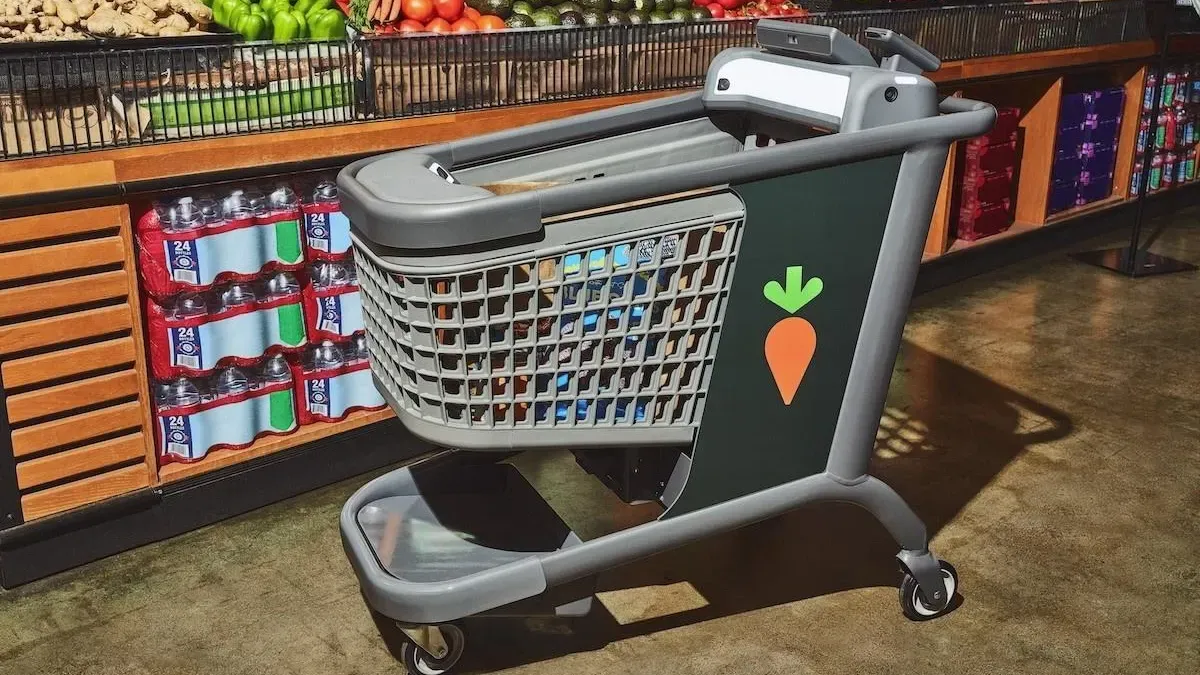
How Instacart Is Using Physical AI To Reinvent The Grocery Store
The smartest computer in your local grocery store may soon be the cart rattling toward the cereal aisle. For years, retailers[...]
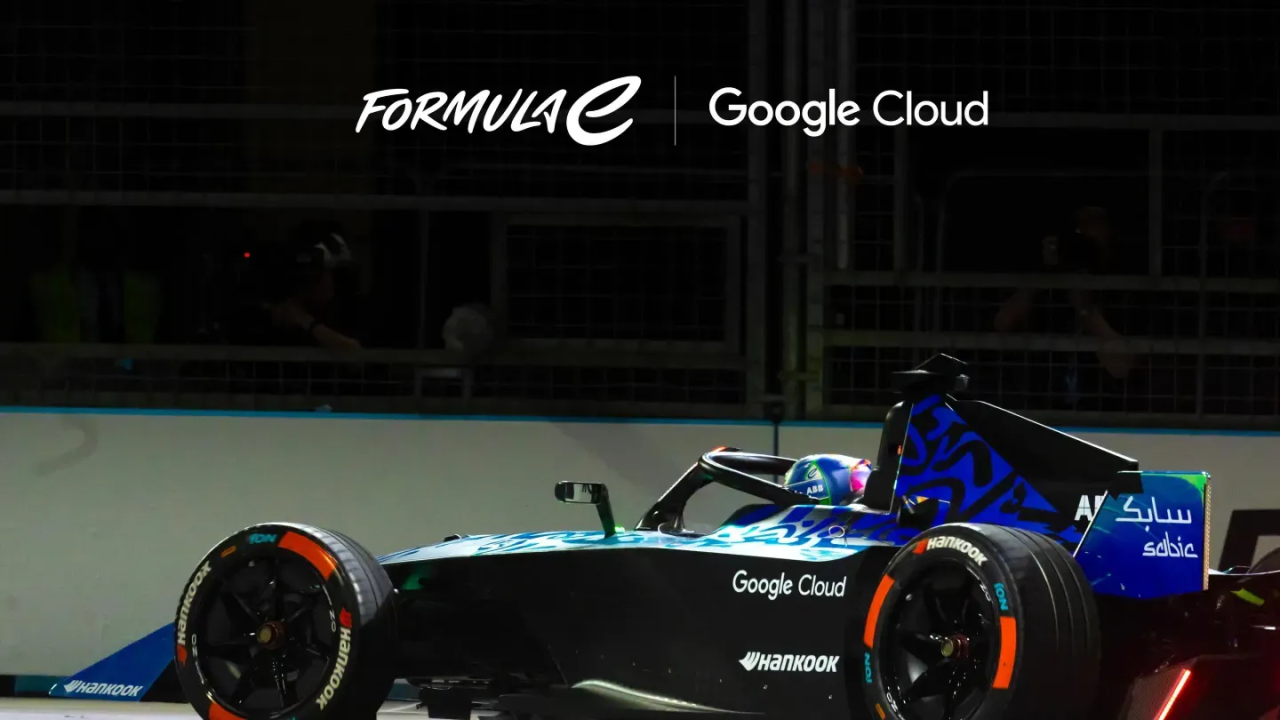
How Google Cloud Put An AI Agent Inside Formula E’s GEN4 Car
At 150 miles per hour, there is very little time to ask an AI assistant where you are losing speed. Yet[...]

Sign up to Stay in Touch!
Bernard Marr is a world-renowned futurist, influencer and thought leader in the fields of business and technology, with a passion for using technology for the good of humanity.
He is a best-selling author of over 20 books, writes a regular column for Forbes and advises and coaches many of the world’s best-known organisations.
He has a combined following of 4 million people across his social media channels and newsletters and was ranked by LinkedIn as one of the top 5 business influencers in the world.
Bernard’s latest book is ‘Generative AI in Practice’.
Social Media