
Ten Questions Every Leader Needs to Ask About AI
3 August 2023
Artificial Intelligence (AI) is rapidly transforming industries, bringing unprecedented levels of efficiency, personalization, and innovation. As a leader, it is essential to understand how this technology can impact your organization. Here are ten questions that can help you assess AI’s implications and create a strategic roadmap.

Artificial Intelligence (AI) is rapidly transforming industries, bringing unprecedented levels of efficiency, personalization, and innovation. As a leader, it is essential to understand how this technology can impact your organization. Here are ten questions that can help you assess AI's implications and create a strategic roadmap.
-
How Can AI Create Value in Our Organization?
AI's value extends beyond automation. It can generate insights from big data, personalize customer experiences, streamline supply chains, and foster innovation. Start by identifying areas where AI can add the most value to your business, either by driving revenue, enhancing services, or reducing costs.
-
What Data Do We Have, and How Can We Use It?
AI thrives on data. The more quality data you have, the more effective your AI systems will be. Do you have access to relevant, clean, and diverse data? If not, what are your strategies for data collection, management, and integration?
-
How Can We Ensure Data Privacy and Ethics?
AI's reliance on data raises significant ethical and privacy concerns. How will your organization protect user data? How will you prevent bias in your AI systems? Establishing a comprehensive AI ethics framework is critical.
- What Skills and Talent Do We Need?
Implementing AI may require new skills within your team. Will you need data scientists, AI specialists, or machine learning experts? Can you reskill current employees, or will you need to hire new talent?
-
How Will AI Impact Our Employees?
AI adoption can lead to job transformation or displacement. How will AI affect your employees' roles? How can you support your workforce through this transition, and what retraining programs can you provide?
-
What Is Our AI Implementation Strategy?
Successful AI adoption requires a strategic approach. Are you planning to develop AI solutions in-house, or will you collaborate with external partners? Will you use off-the-shelf solutions or custom-built ones?
-
How Will We Measure AI Success?
It's crucial to establish metrics to measure AI's effectiveness. Will you evaluate success based on increased efficiency, enhanced customer satisfaction, or ROI? How will you track these metrics over time?
-
How Will We Ensure AI Transparency and Explainability?
As AI systems make more decisions, transparency and explainability become paramount. How will you ensure your AI models are transparent and their decisions explainable to stakeholders, including regulators, employees, and customers?
-
How Will We Stay Compliant with Evolving AI Regulations?
AI regulations are evolving rapidly. How will your organization stay compliant with these changes? Do you have a plan for engaging with regulatory bodies and staying updated on AI policy developments?
-
How Can We Foster an AI-Ready Culture?
AI adoption requires an organizational culture that encourages learning, experimentation, and failure. How will you foster this culture and ensure that your employees are ready for the AI journey?
Asking these questions can help leaders understand AI's potential impact on their organization and guide them in developing a robust AI strategy. It's crucial to remember that AI is not a silver bullet but a powerful tool that, when used wisely, can drive significant business transformation. As a leader, your role is to navigate this journey with foresight, ethical responsibility, and a focus on creating value for your organization and its stakeholders.
Related Articles

AI Is Fueling A Flood Of Customer Complaints. Is That A Bad Thing?
Until recently, plenty of people with perfectly legitimate complaints never bothered to make them. They didn't [...]

Coca-Cola Is Using AI To Reinvent Marketing. Here’s What We Can Learn
Coca-Cola helped shape the modern image of Santa Claus. Its more recent[...]
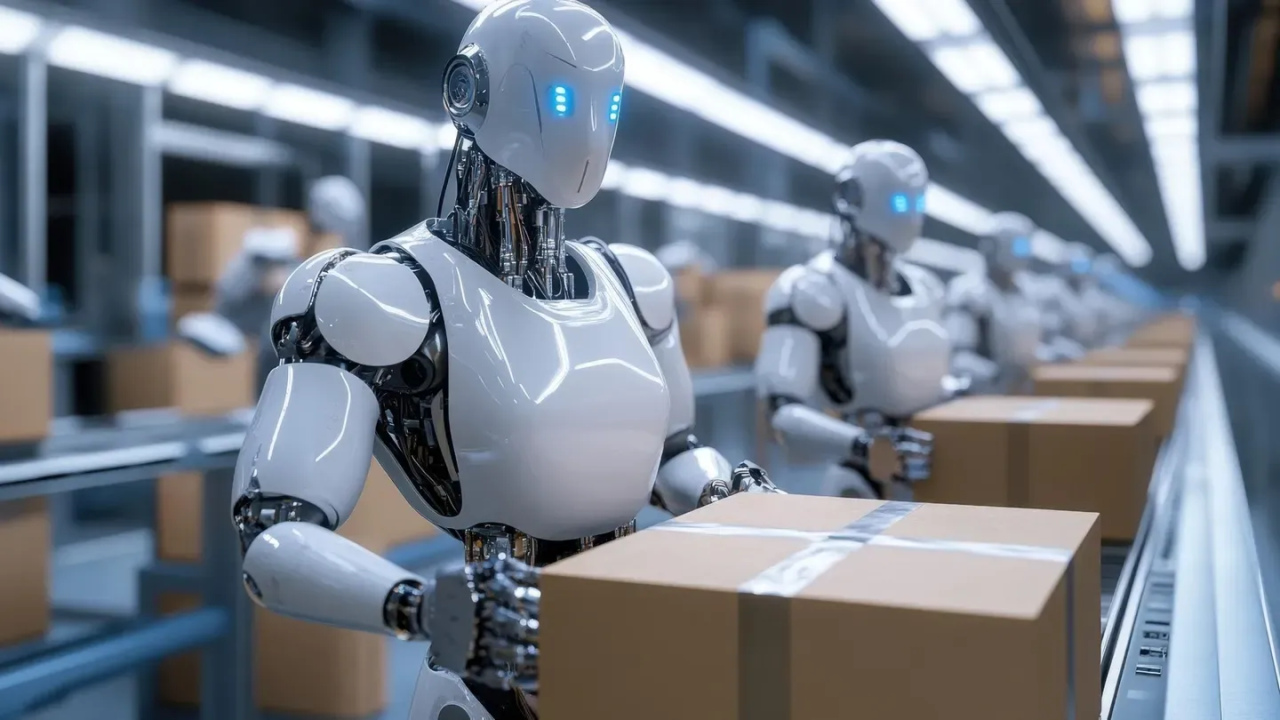
Humanoid Robots In 2027: What They’ll Do And What Could Go Wrong
Humanoid robots look great in demonstrations. In 2027, they’ll have to prove they[...]
10 Future Of Work Trends That Could Change Your Job In 2027
What happens when your next coworker is an AI agent, your boss is an algorithm, and the[...]

How Caterpillar Is Using AI To Reinvent Heavy Industry Without Replacing Workers
Caterpillar has been putting autonomous machines to work in some of the world’s toughest environments for more than 30 years. And[...]

What Happens When AI Learns To Improve Itself?
The most dramatic leap in AI could come when humans are no longer doing all of the improving. That is the[...]

Sign up to Stay in Touch!
Bernard Marr is a world-renowned futurist, influencer and thought leader in the fields of business and technology, with a passion for using technology for the good of humanity.
He is a best-selling author of over 20 books, writes a regular column for Forbes and advises and coaches many of the world’s best-known organisations.
He has a combined following of 4 million people across his social media channels and newsletters and was ranked by LinkedIn as one of the top 5 business influencers in the world.
Bernard’s latest book is ‘Generative AI in Practice’.
Social Media